Browsing Category

Fruits and Vegetables

Goiaba

September 30, 2008
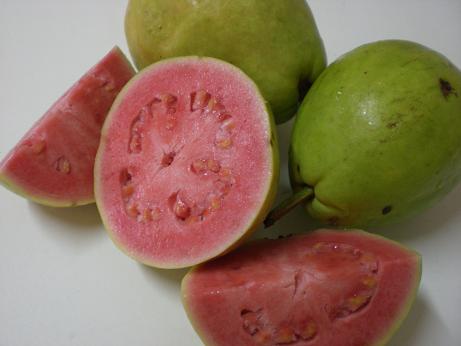
I thought I’d revisit my promise to introduce more of the Brazilian produce I’ve come to enjoy. Today I thought I’d talk about goiaba (pronounce goy-aba), known in English as guava.

Guava is a popular ingredient in Brazil. Almost every menu will have a dessert option that involves guava. In this case it is usually the goiabada which is like a thick jam. Of course, it is full of sugar, but very tasty.

I have had the opportunity to buy fresh guava and I do so every few weeks. Guava is a fruit that is pink on the inside and is covered by a thin green skin which is edible. The texture is probably closest to a kiwi, or somewhere between a peach and an apple. The little seeds inside, also edible, are like Grapenuts cereal.

While the fruit has a distinct musty smell it is hard to describe the flavor except for unique. It isn’t overly sweet or sour. Many people slice guava into quarters and eat each section as a fresh fruit.

To be honest, I don’t really like guava fresh like this. There is something about the flavor of the skin and those crunchy nuts that I can’t get used to eating.

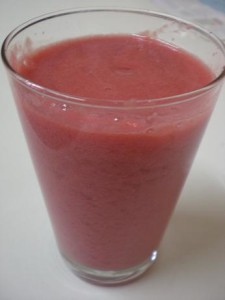
I have found one way I like it though – juiced so I can drink it. Putting the guava through the juicer produces a really thick pulp. I add a little water to it and maybe a ¼ teaspoon of sugar.

Earlier this year when I was looking around the USDA web-site I found some interesting information. Yes, the nutrition dork that I am and considering the fact that I worked for a USDA grant funded program for a while, I do search around there for the latest research.

What I found out was that when it comes to antioxidants – Blueberries #1 and Guava #2.

US and Thai researches determined that guava packs an amazing amount of antioxidants. What is even more exciting is that farmers in south Florida are experimenting with the crop. We’ll still have the pesky transport issue to deal with, but this might mean more availability of guava in the U.S. You can read more about the research here.

One thing I found to be funny in the article is this line, “…to meet rising consumer demand for unusual fruits.”

I think “unusual fruit” is a bit of a relative term. Not sure why it caught my attention. Probably the whole living abroad thing has made me more sensitive to these little things.

If you asked someone who has it readily available to them, I doubt they would call it unusual. Maybe exotic, delicious or healthy would be a better term. Looks to me like they were being a little non-PC with their produce talk!

P.S. Being south of the Equator it took me a little longer, but I got my foodbuzz packet last night. This stuff is great!!

Fall Flavors and Risotto

September 29, 2008

The first time I made risotto I was definitely intimidated. I was committed to putting in the time, but I thought it was going to take me forever to slowly stir in the warm chicken stock to create that creamy consistency the dish is known for.

To my surprise it wasn’t any more time consuming than most of my other cooking. I return to making risotto time and time again. I love how it gives you the satisfaction of a heavy, cream bases sauce when really it can be made to be very low in saturated fat.

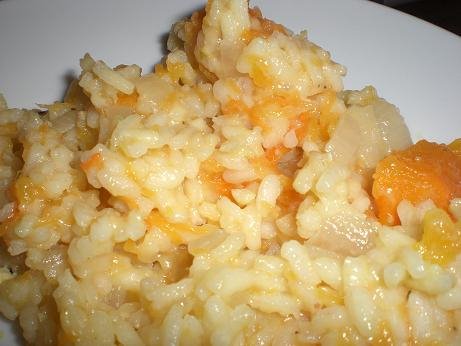
I’ve mentioned how much I love butternut squash this time of year. Last week I pulled out one of my favorite risotto recipes. It turned out great once again so I thought I would share it.

I originally found this recipe for Butternut Squash, Olive and Parmesan Risotto submitted by Lindsay Olives. I made some adjustments to it, first removing the olives. I like olives, but I tried the recipe as is once and I didn’t like the flavor they added to the dish.

This is a good weekend meal. I often roast the squash earlier in the day so that it is completely cooled and easy to handle by the time I start the risotto. You can also roast it in the microwave to speed things up. I have done this before and it really doesn’t take away too much flavor.

Butternut Squash and Parmesan Risotto

1 small butternut squash, split in half and seeded
2 T butter or olive oil
1 medium onion, chopped
4 cloves of garlic, minced
1 cup of Arborio rice
1 quart of chicken stock, warmed
½ cup freshly grated Parmesan cheese
Salt and pepper to taste

Pierce the flesh of the squash with a knife and place cut side up on a baking sheet. Bake at 400 degrees F until very tender, about 1 hour. To microwave, place cut side up in a microwave safe dish. Cover with a damp paper towel and cook until tender.

Let the squash cool. Scoop the flesh out and break into smaller pieces. Set aside.

In a large sauce pan or soup pot, heat butter or olive oil. Add the onion and garlic cooking for 3 minutes. Add the rice and stir to coat with the oil or butter. Begin adding the chicken stock about a ½ cup at a time. Stir constantly and add the next addition of stock after the previous has been complete absorbed.

Continue this process until all the stock is used which takes about 25 to 30 minutes. At this point the rice should be cooked and tender. Stir in the squash breaking the pieces up as you incorporate it into the rice. Stir in the cheese and salt and pepper to taste. Makes 4 servings.

Baby Cranberries

September 22, 2008

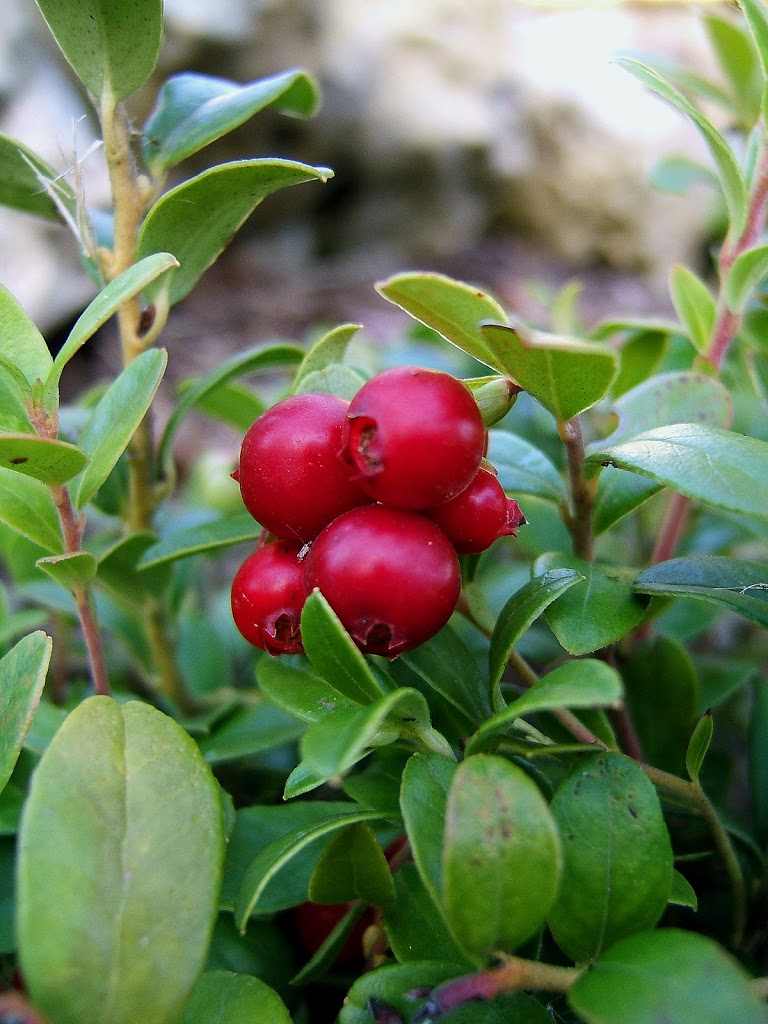
Well, okay, they aren’t actually baby cranberries, but are part of the cranberry family.

I love cranberries and when I was introduced to the lingonberry I fell in love with it too. It is grown in areas such as Denmark, Sweden and Finland which does explain why I first discovered the fruit at IKEA.

In my research I did find that they are grown in some parts of Alaska and in the US are often referred to as the cowberry. They really do look like mini cranberries.

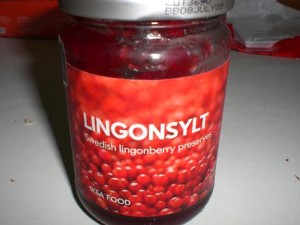
Lingonberries are often made into preserves or sweet sauces. To be honest, this is the only way I’ve had the opportunity to enjoy them. Lingonberry preserves have that tart flavor that you associate with a cranberry yet there is a unique taste that is difficult to explain. I often use it as a sandwich spread or on top of breakfast foods like French toast.


I don’t see it around much so when I make it to an IKEA I always get a jar of their preserves. Aside from the sugar there aren’t an excessive amount of additives in each jar.


What sparked my interest in writing about lingonberries today is that while doing some research for a paper on omega-3 fatty acids I saw them listed as a source.

It turns out that the seeds of these little gems contain the omega-3s. It is often listed right up there with flaxseed.

I find this very exciting! I’m always looking for additional sources besides my salmon. Now wait! There’s a good idea. Grilled salmon with lingonberry sauce. Yum!

Top photo courtesy of WikimediaCommons

A Passion for Fruit

September 17, 2008

When I was starting out with my food blog I had a mission to try and keep it separate from my Brazil blog.

As most of you know, I am living abroad and while I spend some time in the US, more of my time at the current moment is spent here in Brazil.

I started thinking about it though and I have exposure to some pretty cool ingredients here, especially fruits. I thought maybe others might like to see a little bit of what I have around.

Plus, I don’t know where all my readers are from so maybe you have access to some of these things too.

So, every now and then I might mention an ingredient or two that I have come to love here in Brazil. I’ll let you know what I do with it too.

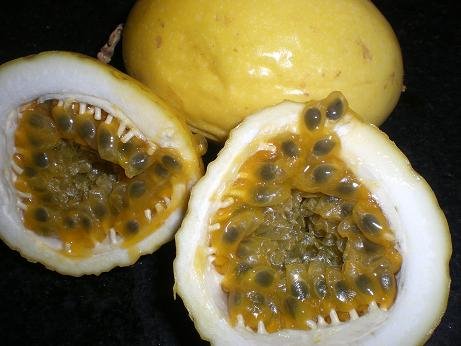
What better place to start than with my favorite fruit, Passion Fruit, or Maracujà.
I love anything and everything made with this tart exotic treat that is known for its calming properties. You can find it fresh, juiced and as a dessert such as cake or mousse.

Around here it is guarana for energy and maracujà for sleep.

I haven’t personally noticed it making me sleepy, but I’m a pretty caffeinated person on a regular basis so maybe I am overriding its affects.

I’ve mostly found the yellow variety here. There is a purple variety, but it is more common in Australia. I’ve seen the purple on occasion, but have never tried it.

Its little black seeds are edible, pack some fiber and they add a great crunch to yogurt. I like to mix the fruit pulp and seeds in with vanilla yogurt.

A few months ago I went to a yoga with a friend. The instructor gave us tea made with passion fruit after class.

She explained the recipe to my friend, however, being true to her yoga, she was a bit of free spirit and we couldn’t get exact instructions. One thing we did discover is that there is no actual tea in it. You just drink it warm like a tea.

I’ve managed to recreate it and I have it almost every week. If you have access to passion fruit give it a try with this tea or mixed in your yogurt. It might become your favorite fruit too.

About 5 cups of water
¼ c sugar
1 inch piece of fresh ginger, cut into small pieces
1 passion fruit

Use some of the water and the sugar to make a simple syrup. To a large pot add the remaining water, simple syrup, ginger and pulp from the passion fruit. Bring to a boil, reduce heat and simmer for about 10 to 15 minutes. Your house will smell awesome by the way!

Pour the liquid through a strainer or colander to separate the pulp and seeds from the liquid. Enjoy it warm in your favorite mug.

Sweet Potatoes and Coconut

September 15, 2008

Okay, I tried it.

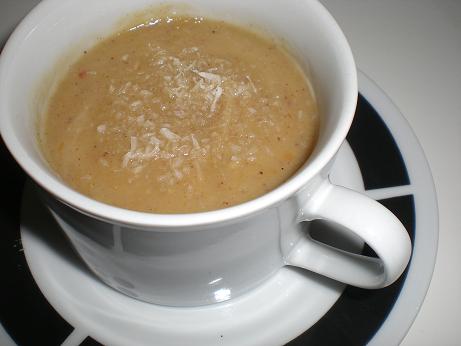
I think I was semi-successful at recreating the soup I had in Ireland, Sweet Potato and Coconut Soup.

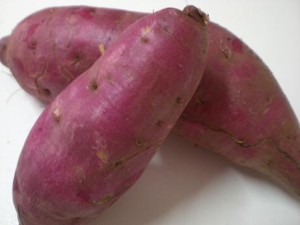
Just a few notes. Mine doesn’t have the rich orange color that yours probably will. I had to use sweet potatoes, batata doce, from here in Brazil which have a white flesh and look like this.


I’m looking forward to trying it with sweet potatoes from home when I return around the holidays. The starch from the potatoes makes this a really thick soup so if you like it thinner add more chicken stock. I loved it, but my husband said it was a little too sweet for him.

4 – 5 large sweet potatoes, peeled and chopped
1 medium onion, chopped
1 large carrot, chopped
2 tbsp Extra Virgin Olive Oil
3 cloves garlic, chopped
1 tbsp unsalted butter
¼ tsp sugar
2 tsp cinnamon
4.5 cups chicken stock or broth
½ cup light coconut milk

Heat olive oil in soup pot, add potatoes, onion and carrot. Cook on medium for about 8 minutes stirring frequently. Add garlic, butter and sugar; cook about 10 minutes more, stirring frequently. Add cinnamon and stir to coat vegetables, about 30 seconds. Add chicken stock, bring to a boil; reduce heat and simmer, partially covered, for 10 minutes, or until vegetables are tender.

Using an immersion blender, puree all ingredients until smooth. Stir in coconut milk. Garnish with finely shredded coconut, if desired. Makes 6 servings.

Black is the New Green

August 14, 2008

We know that the color of the fresh foods we eat can indicate the nutrient value and black has been getting a lot of attention lately.

Not only is wearing black slimming, but eating it keeps you healthy.

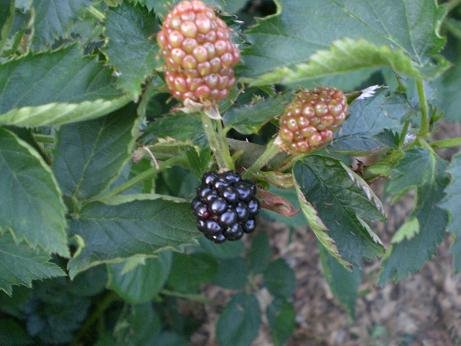
I’ve always loved black beans and every summer I can remember I have overdosed on blackberries from my Dad’s garden.

I came across this article from Health magazine that outlines a few black foods and why you should eat or drink more of them.

Black Rice
Now this I have never had. 100% whole grain and may reduce the risk of cardiovascular disease. I hope to try it as soon as I can find some. Has anyone tried it before?

Black Beans
Love ‘em. I make beans and rice regularly. I also like mixing canned black beans with chopped red onion and green pepper, then topping it with cilantro and lime juice. Full of disease fighting flavonoids which act as antioxidants.

Black Tea
I can remember drinking black tea when I was younger, but once the green craze hit I left it behind. It looks like it may be time to bring it back. Lots flavonoids here, too.

Blackberries
I love blackberries. The ones from the garden are huge and bursting with sweetness when they are perfectly ripe. I eat them fresh in the summer, but I have to admit the frozen ones we keep for winter usually end up in a dessert like blackberry dumplings or cobbler. The polyphenols in these berries act as antioxidants. Some research from the University of Kentucky (where yours truly went to grad school and worked for 3 years) shows they may slow cancer cell growth too.

So I plan to add little more black to my dark green and definitely let me know if you’ve tried the black rice before.

Real Food of the Week: Butternut Squash

August 13, 2008

I know it is only mid-August, but once summer ends and the back-to-school commercials start airing I can only think of one thing – fall and the comforting foods that come with it.

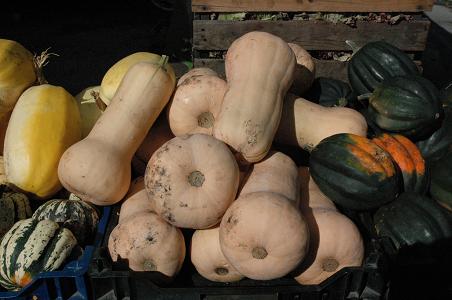
Over the past year I’ve really gotten more acquainted with butternut squash and I love it. Personally, I think it is a neglected vegetable mostly because it does take a lot of time to prep, depending on what you make.

Winter squashes are excellent for our health and they are much more than just a pie ingredient, although that is good too.

Their orange color probably gives away that they are high in Vitamin A, specifically beta-carotene which is part of a group of very valuable antioxidant. Think disease prevention and anti-aging! In addition, these squashes also provide vitamin C, potassium, fiber and there are some omega-3 fatty acids and folate in there too.

In case you are wondering pumpkin, acorn, butternut, hubbard and turban squashes all fall under the category of winter squash.

I made one of my two favorite butternut squash recipes yesterday. I found this recipe for Butternut Squash with Cinnamon Soup a couple years ago and it has been a fall staple ever since.

The recipe is heavy so let me tell you how I change it a bit for my health-focused tastes. First, I don’t usually have all the spices listed so I just use cinnamon and the cayenne pepper and it turns out great. Second, I use way less cream/whole milk than it calls for. I only use about ¼ c to thin the soup some and get a rich, creamy look and flavor.

Peeling and chopping the butternut squash can be hard work. I guess you could use frozen puree or canned pumpkin, but one of the best parts of cooking it is when you sauté the squash with onion and throw in the cinnamon. The whole house fills with the wonderful smell.

Soon I’ll be making my butternut squash risotto adapted from a recipe I found a while back. This one is easy. Just split your squash in half, scoop the seeds and roast it in the oven or microwave until tender.

Sauté the Arborio rice in olive oil with chopped onion and make as directed with chicken stock. Once at the right consistency, scoop out the squash and drop the pieces into the rice, stirring to break it up. Stir in some freshly grated parmesan cheese and salt and pepper to taste. I could eat this every day!

Fall and all the foods that go with it are just around the corner. Do you have any favorite real foods this time of year?

Photo by kconnors, morguefile.com

Drinking Your Fruit

June 26, 2008

I have always loved juice. Apple and grape topped the list when I was in high school. During this time I began to understand how my caloric intake had a direct relationship with my weight and I eliminated juice from my diet. I was amazed at the amount of calories in a small glass.

My decision was confirmed as I started studying nutrition. All that added sugar and lack of fiber wasn’t good for me. I understood that I should eat my fruit, not drink it.

The problem was I missed juice. In addition, I’m not sure if you’ve checked out the recommendation for fruit and veggie servings lately, but it is nearly impossible to attain even for the most health conscious person. We started at 3 to 5 and that was perfect for me. Definitely achievable. Then it jumped to 5 to 9 there was even talk behind the scenes that it needed to go to 9 to 13. Wow!

Finally the government realized that they were setting goals which initiated the ‘I give up’ mentality in people and they started the campaign Fruits and Veggies More Matters. They are now simply encouraging people to eat more. A good approach, I think.

The thing is I want to be healthy. I want to get my 5 to 9 everyday. However, I just don’t want to eat that much fruit. Sometimes I’m just not hungry for it, like in colder weather.

My solution is to return to juice. However, this time I’m avoiding the added sugars, HFCS and lack of fiber. I juice myself. Not the squeeze-the-orange kind of juice, but using a more professional juicer.

There are some negative aspects to this that I will address. First, it takes a bit of a commitment. There is labor involved in cutting and sometimes peeling the fruit. The clean up can be time consuming as well.

It is proving to be worth it for me though. I get to enjoy all kinds of combinations of juices. I can easily meet my fruit and veggie recommendation. A couple apples and a carrot and I’ve got a great drink and 3 servings taken care of at once. In addition, the better juicers allow some pulp in the juice so there is more fiber than in your typical store-bought bottle.

I’m glad to get back to drinking juice and I feel much better knowing that I’m getting in my fruits and vegetables. It is worth the extra effort to prepare it. Think about investing in your health and try juicing for yourself.

Photo courtesy of Free Range Stock

Want to create beautiful food and product photos that you can't wait to share?!
Discover your style, control the light, and shoot using the tool you know how to use (yes, your phone included). Learn about free resources, Live Q&As with Lori, and online courses you can take from anywhere in the world!
We respect your privacy. Unsubscribe at any time.