Browsing Category

Fruits and Vegetables

Stuffed Potatoes

March 11, 2009

I’ve always been a fan of the baked potato. I was rather sad when it got such a bad rap as the “carbs are evil” campaigns started around the nutrition world. I am very glad to see that the potato is being promoted for its positive points now and showing up more regularly on healthy plates. Just ask Denise Austin about it – fitness icon turned potato pusher.

My selection of baked potato toppings has changed over the years. I have never really been a butter and sour cream person. There was once ranch dressing, then I moved on to salsa and lately a little hot sauce is all I need.

Around here, the stuff potato is a popular item in the mall food courts. While some of the stuffings aren’t the best for you, you’ve got to admit that when it comes to health you can do a lot worse in a food court than a baked potato.

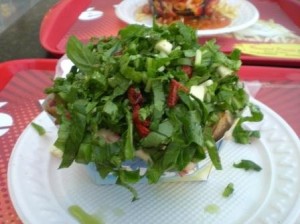
I especially like that they have a “light” menu at these places because that is usually where my favorite combination resides. I posted about the arugula and sundried tomato combination that I was introduced to since coming to Brazil. You can find it on everything from sandwiches to pizza and also on your baked potato.

So here is the one I get at the food court. Dark leafy greens, anyone?

Here is my recreated version.
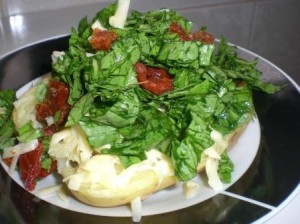

It makes for a simple, tasty lunch and is, without a doubt, full of vitamins. The best way to eat it is to get in there and mix everything up so you’ve got a little potato in each bite.

All you need is – a baked potato, chopped arugula, chopped sundried tomatoes and a little of your favorite cheese. You can open the potato and throw the cheese on first to melt it, or you can dice it and toss it with the veggies.

I’ve gotten more creative with stuffing my potatoes since we made this cultural discovery, which actually comes from the UK in the eyes of Brazilians. Any time there is a world food fest here the tent representing England serves stuffed taters.

I didn’t get a photo, but last night I browned up some lean ground beef with onions and peppers, and added a little bbq sauce. The mixture went on top of our potatoes with a little cheese. That was also a great combination.

How do you stuff your potatoes?

*********************************************

Over the past few weeks I’ve made some of the recipes from other food bloggers and thought I would mention a couple. Both turned out great!

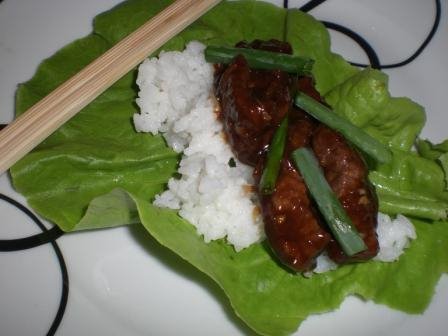
Mongolian Beef from Pink Bites which I turned into a lettuce wrap.
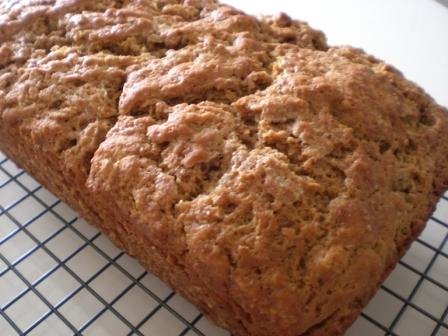
Homemade Bubbly Beer Bread from Zesty Cook. I used the Brazilian Beer, Bohemia.

The Whole Cashew – Apple, Fruit and Nut

March 5, 2009

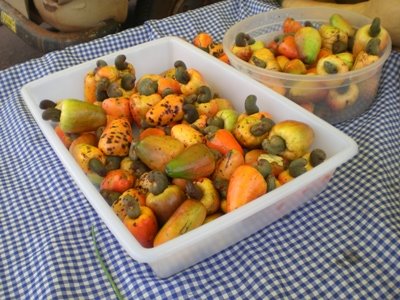
Cashew Fruit for sale at the farmers market in Maringa, PR Brazil | Fake Food Free

Cashews have always been a favorite in our house. They are the first thing to disappear when a can of mixed nuts happens to show up at a party. Before moving to Brazil, I knew cashews were quite popular due to the fact that they are native to the country. What I didn’t know was that the cashew is popular for a very different reason than the nut we often associate it with. While the nuts can be found; here, cashew is known for its juice.

I was relatively surprised the first time I saw a whole cashew. You see, the picture to the right is of cashews from the farmer’s market in town. Being a plant/tree that is native to the northeast of Brazil the fruit is somewhat rare around here, but for a few weeks in February they do show up at one or two booths among the vendors.

When not speaking of the nut, the cashew is often called a cashew fruit, but in actuality it is made up of three distinct parts. That orange yellow part that I first thought looked like a bell pepper is called the cashew apple. It is referred to as a false fruit or pseudo-fruit in the plant world.
The cashew apple contains a high concentration of tannins which are the same substances found in tea and wine. They give the apple a very distinct taste which I’ll discuss a little later.

The kidney-shaped green stem is the fruit of the cashew and it encases the nut; the same nut that we eat and refer to in the US as simply “cashews”, called castanha de cajú in Brazil.

The green fruit contains urushiol oil, the same substance found in poison ivy and poison oak which irritate the skin. You have to be very careful when removing the nut and it is for this reason that I have never purchased a whole, fresh cashew for myself and experimented with it. In an older article from Purdue University Horticulture I read that in some countries at one point the nut was simply thrown out with the fruit due to this toxin and much more emphasis was placed on the apple.

Cashews are grown in other tropical places throughout the world such as Vietnam and India. However, unless you live very close to one of those places it is likely you will never see a whole cashew. The fruit is juicy, fragile and spoils very quickly so extended transport is not an option.

Cashew Juice served at a local cafe in Maringa-PR Brazil | Fake Food Free

I have grown to love cashew juice which is made from the cashew apple. It has a sweet flavor with a richness that resembles that of the nut. The tannins leave that familiar drying feel in the mouth which they are known for. This is the reason my husband does not prefer it, but for me it gives the juice a unique appeal.

I have noticed a difference in the juice when I order it in a restaurant versus purchasing it prepackaged in the store. I should mention that you can buy bottled pulp without sugar in the supermarket and add your own water and sweetener if desired. The fresher juice is much more astringent than the packaged.

There are ways to remove tannins and I’m wondering if this has been done to the packaged juice to make it more appealing, as I came across some research from India where they were discussing processes to reduce tannins to get more people to drink the juice for its nutritional content.

Juice from the cashew apple contains about 205 to 220 mg of vitamin C per 100 ml. During my research I found a few sources online in the UK for the cashew apple pulp to make juice. 

So even if you may never have the chance to see a whole cashew in person, it is looking like you may still be able to enjoy its flavor and nutrients as the news about cashew juice begins to spread to the rest of the world.

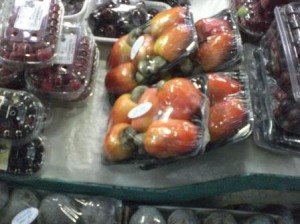
Cashew Fruit for sale at a market in Brazil | Fake Food Free

Thanks for reading! All images and content are the property of Fake Food Free and Lori Rice unless otherwise stated. Please do not republish full recipes and images without written permission. What is okay? Feel free to Pin images, share links to my posts or share the photo in a round up post with the title of this recipe and a link back to the post. Confused about copyright and food blogs? Here is some helpful information on Recipe Attribution. If you want to use a photo or full recipe, just ask. I’m sure we can work something out.

Apple Carrot PB Panini

March 2, 2009

If I’m not eating peanut butter by itself with a spoon, it is most likely being used as a dip for my apples and carrot sticks. As I was trying to think of how I would participate in the Great PB Exhibition #5 I was feeling a bit restricted by the topic of sandwiches. I kept coming up with a fun idea and then realized it wasn’t even close to the sandwich category.
Then I thought, why not turn my favorite PB dippers into a sandwich. And why not take it a step further and make it a toasty Panini? This is an all around balanced meal – protein, grain, fruit, veggie and healthy fat all rolled into one.
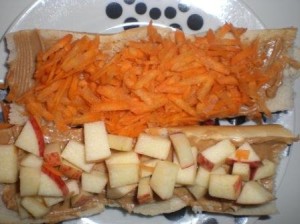
I left my carrot and apple raw because I wanted the sandwich to have a bit of a crunch. I don’t have a Panini press. I just use two skillets with some foil over the sandwich. The heat makes the bread crisp and warms the peanut butter just enough that it covers the carrot and apple with gooey goodness.
Apple Carrot Peanut Butter Panini
4 to 6 inch piece of baguette (Sub any bread. A whole grain would be nice, but hard to come by here. )
2 Tbsp of natural peanut butter
1 small carrot, shredded
½ of a small apple, diced

Half your baguette, spread a little PB on each side. Top one side with carrots and the other with apple.


Carefully put together and heat in press or skillet for about 2 to 3 minutes each side.


Have you entered yet? The deadline is March 15th at Noon (PST).

Submission:
Click here to submit your recipe online. Alternatively, email “pbe (at) peanutbutterboy (dot) com” with “PBE #5″ as the subject and the following information:
Name
Email
Recipe
Title
Recipe or Recipe Permalink
Prize:

All recipes will be listed but the judges will vote for the Top 3. All 3 winners will receive a winning badge to place on their site but the first place winner will receive the Peanut Butter & Co. Cookbook, one of the books that was the inspiration for The Peanut Butter Boy.

Lunch and Learn

February 26, 2009

I arrived back in Brazil on Tuesday and instead of heading to Maringa, my husband and I decided that we would spend some time in Curitiba (one of my favorite cities) for him to work a few days and for us to celebrate his birthday this weekend. So I met him here on my way from the US. I’ve been working from the hotel room or coffee shop with the occasional exploration.

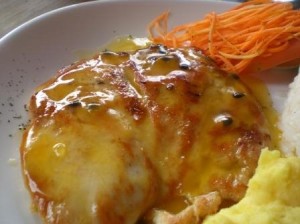
I headed out for lunch today, not quite knowing what sounded good. I finally determined that I wanted a true Brazilian lunch. This typically means a meat, rice, another starch and beans. (Although this time mine was without beans.)

This is unusual for me as I simply can’t get accustomed to the heavy lunches here, but it was a cloudy, cool day and comfort food, or what I consider more comfort food, was in order.

I settled on a little place that is popular with the office workers around the city. It is a bit small and honestly resembles more of a pub. I’ve had my eye on it the past couple visits, but had never stopped in.

I had thought my lunch would not warrant much to write about, but happily I was proven wrong.

The daily special was frango ao molho de maracujá, chicken with passion fruit sauce. I adore sauce of passion fruit. I first had it on salmon here and whenever I see it on a menu I can hardly resist. It is basically the pulp of passion fruit, cooked down with some sugar. The crunchy seeds are left in it and it still maintains a bit of a tart taste. It is excellent with salty meat, similar to the way pineapple is often used with pork in the US.


Despite the tasty main attraction, it wasn’t the most interesting part. I noticed on the menu that a puree of mandioquinha was included. Adding the inha in the Portuguese language occurs all the time. It basically means little. So I automatically thought this meant little mandioca, or manioc, or yucca which I talked about in my post on Moqueca.

It did turn out to be a puree like a mashed potato, but it had a bright yellow color. The taste was outstanding! I’m sure it had a ton of butter in it, but it was so rich and smooth, even better than many mashed potatoes I have had.

I did some research on mandioquinha and learned that it is actually a root vegetable different from mandioca. It is also called arracacha, batata baroa and the Peruvian parsnip. It is smaller like a carrot with a brighter yellow color than a basic white potato and a richer flavor as well. They are native to the Andes and are grown and used in many countries in South America. I haven’t seen these at our farmer’s market, but I will be looking more closely for them from now on.

I found this old blog post which will give you an idea of what they looked like before they were mashed up on my plate.

So lunch turned out to be more of a culinary learning experience than I was expecting. Tonight we are headed to a French bistro so hopefully I’ll have some more interesting finds for you tomorrow.

Cucumber, Ginger and Pineapple

February 19, 2009

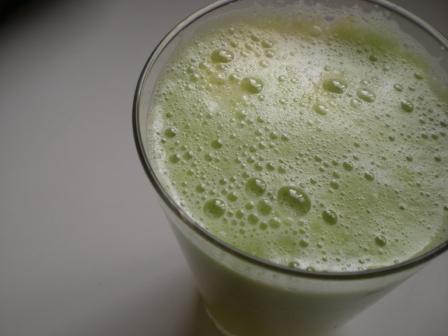
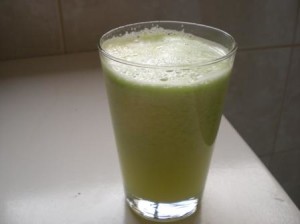
While in Jamaica we stumbled upon a very interesting juice combo. You know I love making my own juice and the inexpensive fruits of Brazil allow me to live on a diet full of great combinations. I know there is a lot of talk about not getting enough fiber in juice, but if you drink (fresh) juice in addition to, not instead of, whole fruit it provides a lot of benefit.
This juice combo was cucumber and ginger. I was intrigued. I’ve tried making juice with cucumber before and I wasn’t thrilled with the flavor, although, I love cucumber infused water. I wasn’t brave enough to try this combo on its own so I mixed it with a bit of fresh pineapple juice to add sweetness.
An amazing juice combination was born. Well, maybe not born. I’m sure someone out there has done this combo before, but it was new to me. I tried it myself when we came back from our trip and it will become a regular in my juice line up.
I’ve been fortunate to be exposed to some of the freshest ginger possible. I never bought it in the States because all I could ever find were dried up little pieces at the very top shelf in the produce section. However, I have learned that fresh ginger is better. It contains more of the active gingerol which gives ginger its anti-inflammatory properties. Ginger is also linked to the relief of gastrointestinal problems such as gas and bloating, and is well known for its reduction of the symptoms of motion sickness.
Pineapple is full of vitamin C, an antioxidant, anti-inflammatory component and an aid in the function of a healthy immune system. This fruit is also an excellent source of manganese which plays a role in antioxidant function and energy production. In addition, pineapple gives you a nice dose of thiamin also important in energy production.
The cucumber adds a light and refreshing flavor to the juice. With cucumber you will get vitamin C, molybdenum, silica (important for connective tissues), potassium, magnesium, manganese, vitamin A and folate; quite a nutritional punch for such a low calorie food. Do pay special attention to the skin. It is the part that contains many of these nutrients, but often comes waxed with substances that may or may not be natural. I find the unwaxed variety at our farmer’s market.
Okay, so that is enough of the nutrition stuff. You get the idea. It is a great combo of a lot of different, important nutrients. Grab your juicer and toss in:
One unwaxed cucumber
About 1 cup fresh pineapple
1 small piece (about ¼ to ½ in) fresh ginger

Raspberries – The First Sign of Summer

February 18, 2009

For a long as I can remember raspberries have represented a preview of all that is to come of summer produce. Among the blackberry bushes that line my parent’s property, there were always a few raspberry plants. While I would have to wait until mid-summer for the blackberries, the raspberries ripened for just a few weeks in the spring to early summer.

It was a quick harvest and I often ate more off the vine than we actually brought into the house for baking. However short lived, though, they always marked the start of the garden bounty.

A few days after I arrived back in the States for this visit I was given the challenge of using up some of the frozen raspberries that are taking up space in my parent’s freezer. You see, this past summer my Dad decided to experiment with new varieties of raspberries and more plants that peak at different parts of the season.

The raspberries were falling off the vine from spring through early autumn. I’m not complaining, I loved it during my visits. However, after giving away what they could and selling some at the local farmer’s market, the rest ended up in multiple bags in the freezer. We are talking a whole freezer door full!

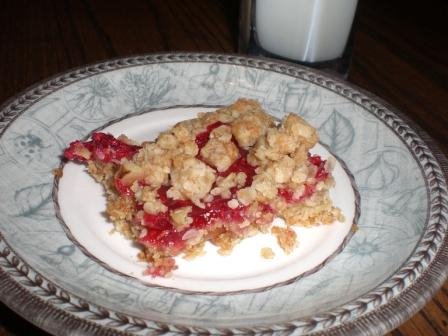
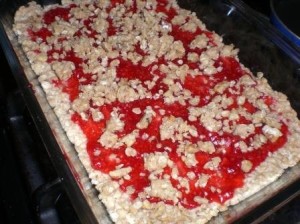
Well, I took up my raspberry challenge last night and turned to one of my favorite recipes. This recipe comes from the web-site of Bryant’s Blueberries which is located just outside of Louisville, KY. If you are ever in the area, stop by. This place makes for a fun u-pick afternoon.

I’ve played with this recipe on several occasions using different berries and this time I, of course, used raspberries. I made it according to instructions, but by substituting unprocessed sugar, honey or maple syrup and whole grain flour it would be easy to turn these into more of an energy bar than a dessert.

These bars were often my go-to item when I took treats into my office. They are incredibly simple, incorporate fresh ingredients and everyone always loves them.

Raspberry Oat Bars
Modified from Blueberry Oat Bars, Bryant’s Blueberries New Salisbury, IN

Crust
1 ¾ cups old fashioned oats
1 ½ cups flour
¾ cup packed brown sugar
½ cup chopped nuts (I used pecans and walnuts)
½ tsp baking soda
¾ cup unsalted butter, melted

Fruit Filling
2 cups fresh or defrosted raspberries
½ cup sugar (I usually cut this way back for sweet berries)
3 tbsp water
2 tbsp cornstarch
2 tsp fresh lemon juice

Preheat oven to 350 degrees F. Combine the crust ingredients and mix well until crumbly. Reserve ¾ cup of the mixture and set aside. Press the remaining mixture into an 11×7 inch baking pan. Bake for 10 minutes.

Combine the fruit, sugar and 2 tbsp of water in a saucepan. Bring to a boil then simmer, covered, for about 2 minutes. Stir to break up berries. Mix the remaining water, cornstarch and juice. Pour into the berries and cook about 30 seconds or until thickened.


Pour the berries onto the crust leaving about a ¼ inch of crust around the edges. Sprinkle the remaining topping over the fruit. Bake 18 to 20 minutes until edges are browned. Cool and cut into bars.

Pre Football Food: Pita Bread Salad

February 2, 2009


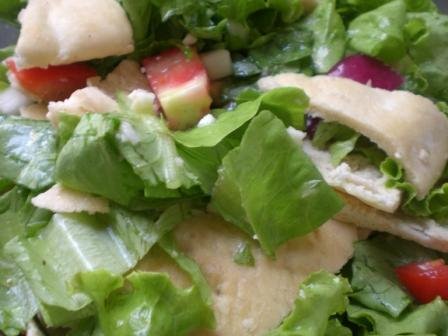
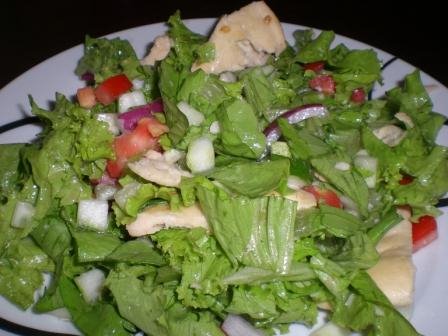
In an effort to prepare what was sure to be football food overload on Sunday, I made sure Saturday night was salad night. I found this recipe in Rachael Ray’s magazine a few months ago and finally had to chance to try it.

It is filled with veggies and so easy to make. You can find the original recipe here. I made a few changes based on availability.

They included:

Using lime instead of lemon (we don’t have lemons here)
Didn’t add the herbs – I’m not a big herb fan in salads, except for maybe cilantro
Used red onion instead of scallions
Skipped the bell pepper
Cut the recipe a bit to make it two dinner size servings

After all that, this is how the recipe turned out. I think I now might need to make it again as a recovery to football food!

Pita Bread Salad

Adapted from EveryDay with Rachael Ray

2 pita breads, baked until crispy
¼ cup olive oil
Juice of 2 to 3 limes
1 clove of garlic, chopped
Salt and pepper to taste
1 small cucumber, chopped
1 to 2 tomatoes, chopped
¼ of a large red onion, sliced
5 cups of mixed lettuce, roughly chopped

In a bowl whisk oil, juice, salt and pepper. Stir in cucumber, tomatoes and onion. Pour over lettuce and toss to combine.

Slice pita into small wedges and toss in the salad. If you want the pita to stay firm, just top each salad with the wedges and don’t mix in the dressing.

My Agave Research and More Sugar Confusion

January 29, 2009

I’ve been spending part of my week researching sugars and supposedly natural sweeteners. What I have determined is – I have a headache!
I’ve become more interested in sugar lately because 1) We now live in Brazil where the sugarcane industry is huge. 2) I notice a lot of people switching from this sweetener to that one in an effort to be more ______________ .(Fill in the blank with your choice of words: healthy, green, natural, fake food free, etc.)
I use refined white sugar in moderation. Yes, I do know that this is a processed food, has addictive properties, and on, and on. I’ve read it all. I use a lot less of it currently, but still use the traditional recipes that have been in my family since my great grandmother and they call for sugar.
I’ve been questioning agave nectar for a while which lead me to look at other sugars which has led me to the conclusion – raw honey and pure maple syrup probably reign supreme for being the most natural sweeteners. When it comes to all the others, one is just about as bad as the other, for one reason or another.
What started my search: Agave
As most of you probably already know agave comes from the core of the agave plant in Mexico. The short story is the juice is extracted, filtered, heated and hydrolyzed (a chemical process to break bonds) to break down its naturally long fructose chains. So it is basically a processed sweetener and the result is 90% fructose. As most of the information I read states, HFCS gives is about 55% fructose.
Why can fructose be a problem?
As long as you eat fruit you consume fructose. The main reason commercial products containing fructose are a problem is the massive amount (like most things in our society) we are consuming versus the amount we would typically consume from fruit.

One research study I read from Nutrition & Metabolism stated that fruit contributed about 16 – 20 grams per day, while commercial foods are now giving us 85 – 100 grams of fructose a day.
Fructose, unlike other sugars, is absorbed and metabolized directly by the liver. It’s possible this overabundance can lead to problems with insulin sensitivity and obesity. Some evidence of it contributing to a fatty liver has been suggested as well.
So what’s the conclusion?

Heck if I know! Just kidding.

The truth is I’m on a journey just like you – to continue cleaning up my diet and separate myself from this society that seems to be tricking us into believing what is healthy and what is not. My nutrition background helps me to understand how things are processed in our bodies and how things are processed commercially, but that doesn’t mean I have all, or any, answers to the sweetener debate. Well, except for the fact that I’m not in favor of artificial sweeteners at all.

My personal consensus is that I’m not going to switch to something like Agave nectar as my sweetener because I don’t think it is any better than white sugar. I plan to incorporate more raw honey and maple syrup (If I can afford it. U$ 13 for a tiny can at my grocery store in the States.). I’ll continue to use white sugar in some of my baking. At the same time I will be trying to reduce my needs for sweets/sugars all together.
If you’re interested, here is a list of some of my reading along the way. Some of it honest, some of it fact and some of it swayed by industry. I think it is important to check out all sides and decide the best approach for you, keeping common sense in mind.
I also want to mention if you haven’t checked out the blog The Nourished Kitchen and are interested in sweeteners, go there now! She has some great posts on modern and natural sweeteners that I found in my search: Modern Sweeteners: What Are They & What They Do and A Guide to Natural Sugars & How to Use Them

Here are some of my other reads:

Madhava Agave Nectar
The Truth about Agave Syrup from Living and Raw Foods
White sugar vs raw sugar from Green living tips
White Sugar from a processor of Brazilian sugarcane

Photo by Neal McQ, www.freerangestock.com

Stuffed Zucchini

January 21, 2009

One thing we always had a lot of growing up was zucchini. My dad’s garden would overflow with it for a few weeks each year when it was at its peak. During this time we would overdose on it – fried, boiled, in bread, as fritters. Shredding it was never fun, but the end result was usually worth it.
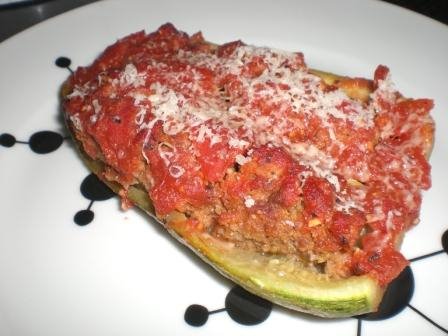
While zucchini is a summer squash this dish has all the comforts of winter for me. I found it on the Food Network a few years ago. If I can score an overpriced zucchini this time of year at the store, I like to whip it up for something different. It always makes for a lean, high protein, healthy carb dinner with all the vitamins tomatoes and squash have to offer.
I like the zucchini stuffed better than I do the peppers so while the original recipe is Stuffed Zucchini and Red Bell Peppers my version is just zucchini. Below is my adapted recipe, click the link to see the original.

Stuffed Zucchini

Adapted from the Food Network and Giada De Laurentiis

Olive oil
1 small onion, grated
¼ c parsley, chopped
1 egg
3 tbsp ketchup
3 cloves garlic, minced
1 tsp salt
¼ tsp pepper
1/3 c grated parmesan
¼ c dried bread crumbs
1 lb ground turkey
3 to 4 zucchini, halved and hallowed out
1 ½ c marinara sauce (I use my homemade version)

Preheat oven to 400 degrees F. Drizzle oil in oven proof baking dish. Whisk together – onion, parsley, egg, ketchup, garlic, salt and pepper. Mix with ground turkey, bread crumbs and cheese. Stuff the zucchini with the meat mixture, arrange in dish. Cover with marinara (you could also top it with cheese) and bake for 45 minutes.

Different Way to Get Your Chocolate

January 13, 2009


In case you haven’t noticed, I haven’t been cooking a lot lately. I’m eating at home, but I really didn’t think you would get excited about the same ol’ oatmeal, scrambled eggs and all the other boring stuff I’ve been having. So I’m entertaining you with my travels and finds until I get back into the kitchen more, probably next week.

I visited a friend in Louisville, KY last week and found myself a Whole Foods. As I think I’ve mentioned before, I could never do all my grocery shopping at that store, but I love browsing the aisles for the unique. I ended up buying a few things to take back to Brazil with me including some bars so I’m not stuck paying $5 for a mini can of Pringles if I get hungry on my domestic flights.

Traveling is just about the only time I purchase bars, mainly due to their convenience. I will have to say the major bar-making companies are doing a good job of putting less and less ingredients in their products. While, I don’t consider them completely off the fake food list for me, many are getting darn close.

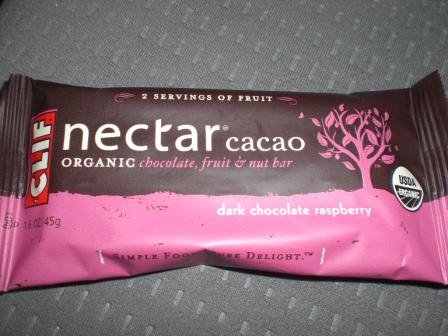
This time I decided to try a Clif Nectar Cacao bar in Dark Chocolate Raspberry. It looks like these officially came out in 07, but they are new to me. Along with the ingredient list, I was mainly convinced to buy it because it was decent size for the 160 calories it offers. I just can’t get into a tiny 1 inch bar that has 200 calories in it. Also, it was about $1.19 a bar. Not cheap, but nowhere near the most expensive in the bar aisle.

All the ingredients in the bar are organic. This isn’t of huge concern to me, but it may be to you. The list was short and included dates, cashews, unsweetened chocolate, cocoa and raspberries.

It was definitely a winning combination if you are looking for a sweet snack. I do wish they would take the “2 servings of fruit” off the front. Sure, it may equal that in some random way, but let’s get our fruit servings from fruit and not focus on getting them from bars. You know me though, there is always something.

Would I get this again – for sure! I was actually looking for them around my hometown, but didn’t find them. If you want to get some chocolate in a relatively healthy nutrition bar form I say go for it.

In fact, after looking at the ingredient list I’m wondering why I couldn’t throw that combination together and make these bars myself. I just might give it a try.

Want to create beautiful food and product photos that you can't wait to share?!
Discover your style, control the light, and shoot using the tool you know how to use (yes, your phone included). Learn about free resources, Live Q&As with Lori, and online courses you can take from anywhere in the world!
We respect your privacy. Unsubscribe at any time.