Browsing Category

Fruits and Vegetables

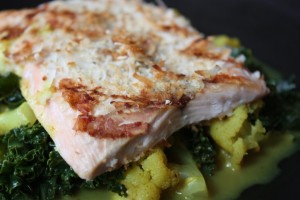
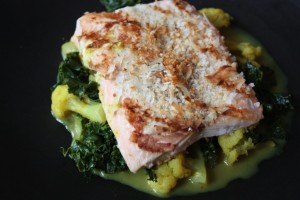
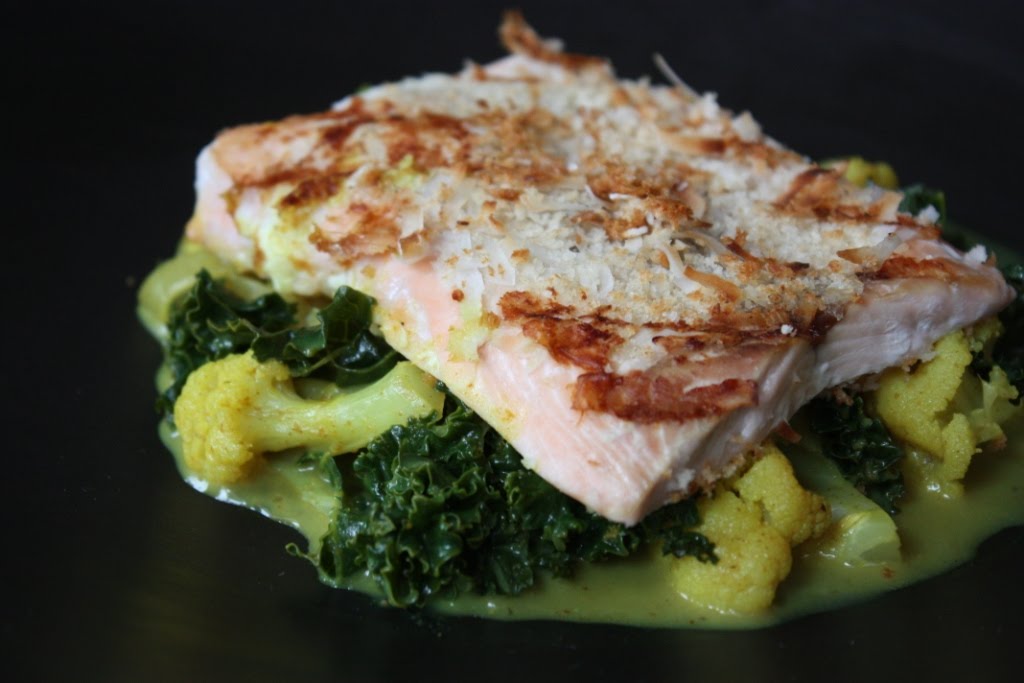
Coconut Crusted Salmon over Cauliflower and Kale

February 25, 2010

At the end of the month I’m always focused on using up what I have on hand. I enjoy working with a monthly food budget because I get shop away the first half of the month and then I challenge my creativity at the end. This process of using up all that I have really keeps me from overbuying fresh foods that might wilt or spoil before I have the chance to use them.
This recipe came about as a way for me to finish off the leftover veggies in the fridge and to finally put a can of coconut milk to use that I’ve had for a few weeks now. I wanted some protein with the meal so I turned to my freezer where I have some wild Alaskan salmon stocked up due to a recent sale.
I wanted to keep the flavors similar and I often coat chicken with coconut so I decided to try it with salmon too. A little curry with the veggies and the meal was set.
I wasn’t sure how the coconut and curry would mesh with the flavor of salmon, but I was pleased with the result. Creamy, spicy, sweet and salty, it is almost as if the three were made for each other.
Coconut Crusted Salmon over Cauliflower & Kale in Curry Coconut Milk

1 tbsp olive oil
½ small onion, sliced
½ large head of cauliflower, florets sliced
1 bunch kale, stemmed and chopped, about 3 cups raw
½ tsp salt
¼ tsp black pepper
1 tbsp curry powder
½ can coconut milk
2 salmon filets, thawed
2 tsp olive oil
¼ cup panko bread crumbs
1/8 cup unsweetened, shredded coconut
Pinch of salt and pepper
In a large skillet, heat the olive oil over medium-high heat. Add the onion and cook for 1 to 2 minutes. Next add the cauliflower and kale. Turn to coat the vegetables in the oil and cook until the cauliflower is slightly browned and the kale begins to wilt, about 3 minutes. Stir in the salt, pepper and curry powder, add the coconut milk. Reduce heat to medium or medium-low, cover and let simmer for about 5 minutes or until vegetables are tender.
The salmon can be prepared in a variety of ways. I use a grill pan with a press. This doesn’t result in the tenderest salmon, but it is the quickest method for me with very easy clean-up. Searing it in a standard skillet or baking it would work well too.
In a small dish, combine the bread crumbs, coconut, salt and pepper. Drizzle the olive oil evenly over both salmon filets. Place the filets in the pre-heated grill pan. Top with crumb mixture, pressing it into the fish. Place the press on top of the salmon and cook on medium-high heat for about 3 minutes. Remove the press and gently flip the salmon, place the press on top again and allow to cook 3 to 4 more minutes or until the fish is cooked through. Divide the vegetables on two plates, top each with a salmon filet, and serve.

Dollars to Donuts – Pantry Veggie Burgers

February 22, 2010

Last November, a few weeks after I returned from the Foodbuzz event , I was contacted regarding some of the free products we received which eventually led to an invitation to review a cookbook. As soon as I read the description sent to me about the Dollars to Donuts cookbook by Dawn Welch I couldn’t wait to get my hands on it.
The background that leads to this book is as interesting as the recipes it offers. Dawn owns the Rock Cafe on Route 66 in Stroud, Oklahoma. She wrote this cookbook as a way to share her recipes, from her own kitchen and the diner, and her tips for stretching your dollar and making homemade foods in the most time-efficient way possible. Simple, real food – my kind of cooking.
The book offers a few surprises. While there are plenty of recipes for typical diner foods such as meatloaf and chicken-fried steak, you’ll also be getting a few flavors of the world with udon soup, peanut sauces and huevos rancheros. Dawn has an international food background from her previous work on cruise ships and she brings that to the kitchen and to this cookbook.
In addition to the recipes, the book contains all kinds of tips about shopping smart, canning and preserving, and making foods ahead of time. There are also icons for each recipe to identify those that are super quick, kid-friendly and freeze well. This is one of those books that is not only a cookbook, but a valuable kitchen resource manual.
I also like how it emphasizes that home cooking, even diner food, can be comforting AND nutritious. These meals are full of real, natural ingredients and use lots of spices for flavor.
I decided to try out the Pantry Veggie Burgers as my introduction to Dollars to Donuts. As I got into the process, it ended up being a bit lengthier than I expected, but I feel that this was just part of a learning curve. Some of the ingredients needed to be cooled before combining so I helped them along using my fridge and freezer. Overall though, these burgers weren’t so time consuming that I would not make them again. In fact, they will likely become a regular.


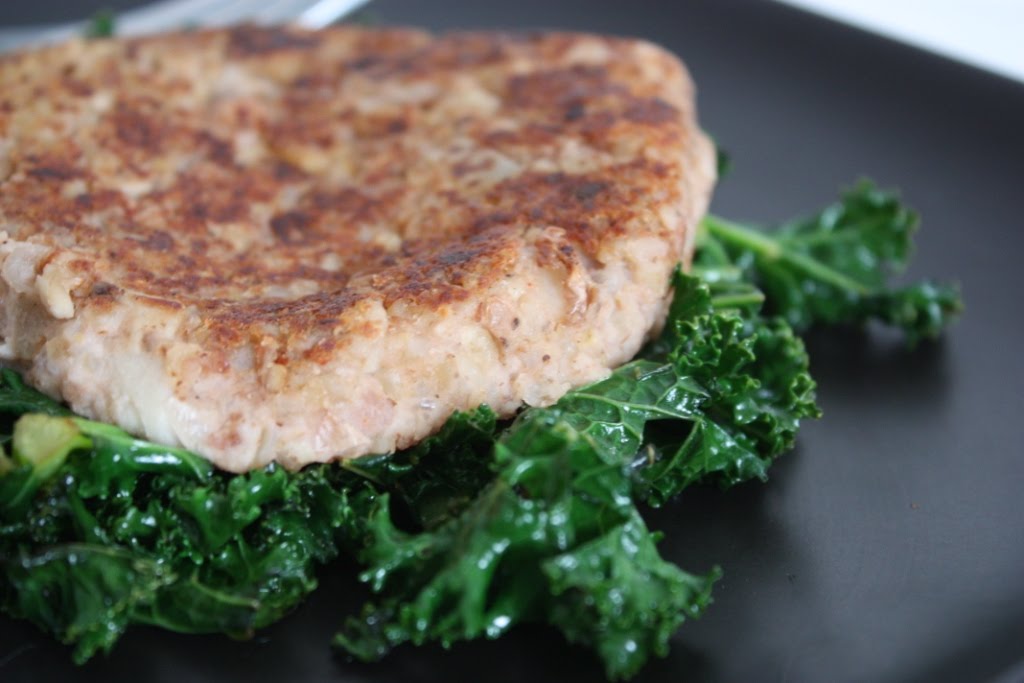
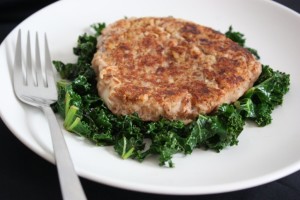
They are delicious! I’ve made veggie, bean burgers before, but none quite like this. I’ve decided it’s the walnuts that make the difference. Each bite gives you a nutty flavor and crunch that goes so well with the vegetable flavors and the texture of the beans.

I did cook my own pinto beans and I didn’t include that in the cooking time. I made a couple substitutions as well. I used white button mushrooms instead of cremini because they were the only available in the market on shopping day. I also used olive oil instead of canola.
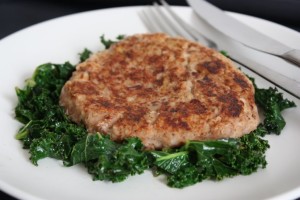
The original recipe also calls for toasted buns and your typical burger works for serving. I decided to go bun-less and sautéed some kale (yes, I’m hooked) in the same pan that I used to cook the veggies for the burger. The dark greens were a great match! I also like the suggestion in the cookbook to make this into meatballs or crumble it in lasagna. I will definitely be trying that.

Pantry Veggie Burgers
From Dollars to Donuts and reprinted with permission from YC Media
1 can (14 oz.) pinto beans, or 1 ½ cups cooked pinto beans
½ cup bulgur wheat
1 tsp salt
1 tbsp + 2 tsp canola oil
8 oz. cremini mushrooms, stemmed and thinly sliced
½ yellow onion, finely chopped
1 lg garlic clove, minced
½ cup walnut pieces
½ tsp freshly ground black pepper
1/8 tsp smoked paprika (optional, but I did use it)
5 tbsp mayonnaise
2 tsp canola oil
6 hamburger buns, toasted
Lettuce leaves
1 lg or 2 sm ripe tomatoes, cored and thinly sliced
6 tbps barbeque sauce or ketchup
Dry the beans. Spread the drained pinto beans on a paper towel-lined plate and set aside.
Cook the bulgur. Bring 1 cup of water to a boil in a small saucepan over high heat. Stir in the bulgur and ¼ tsp of the salt, cover, and turn off the heat. Set aside until the bulgur is tender, about 20 minutes. (If some water remains in the bottom of the saucepan, drain the bulgur in a fine-mesh sieve, then set aside to cool to room temperature.)
Cook the veggies. Heat 1 tablespoon of the oil in a large skillet over medium-high heat. Add the mushrooms, onion, and ¼ teaspoon of the salt, and cook, stirring often, until the vegetables begin to brown, about 9 minutes. Stir in the garlic and cook until fragrant, about 30 seconds. Transfer the mixture to a plate and let it cool to room temperature.
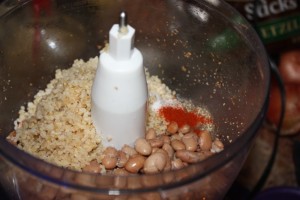
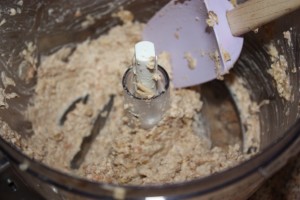
Make the burger mixture. Pulse the walnuts in a food processor until chopped, about five 1-second pulses. Add the beans, bulgur, the mushroom-onion mixture, the remaining ½ teaspoon of salt, the pepper, and the paprika (if using) to the food processor. Pulse about 15 times, or until the mixture holds together when squeezed, but isn’t pureed, scraping down the sides of the bowl as necessary. Add 2 tablespoons of the mayonnaise and pulse a couple of times to combine. * I think I went a little far with my pulsing, but the burgers still held together great.


Shape the burgers. Line a large baking sheet with parchment paper (parchment makes it easier to remove the burgers from the baking sheet). Shape the mixture into 6 equal patties and place them on the prepared baking sheet. Cover with plastic wrap and refrigerate for at least 30 minutes or up to 12 hours (the burgers can also be frozen for up to 6 months).

Brown the burgers and serve. Heat 1 teaspoon of the oil in a large skillet over medium-high heat. Place 3 burgers in the pan and cook until browned on both sides, 5 to 6 minutes total, using a thin, wide, metal spatula to carefully flip the burgers. Transfer to a large plate and tent with foil. Repeat with the remaining oil to cook the last 3 burgers. Place a burger on each bun bottom and top with lettuce and tomato slices. Spread some mayonnaise and barbecue sauce or ketchup on the bun top, cover the burger, and serve.

If you want to get to know Dawn and the Rock Cafe a little bit better, check out this video from one of my fave shows – Diners, Drive-ins and Dives.

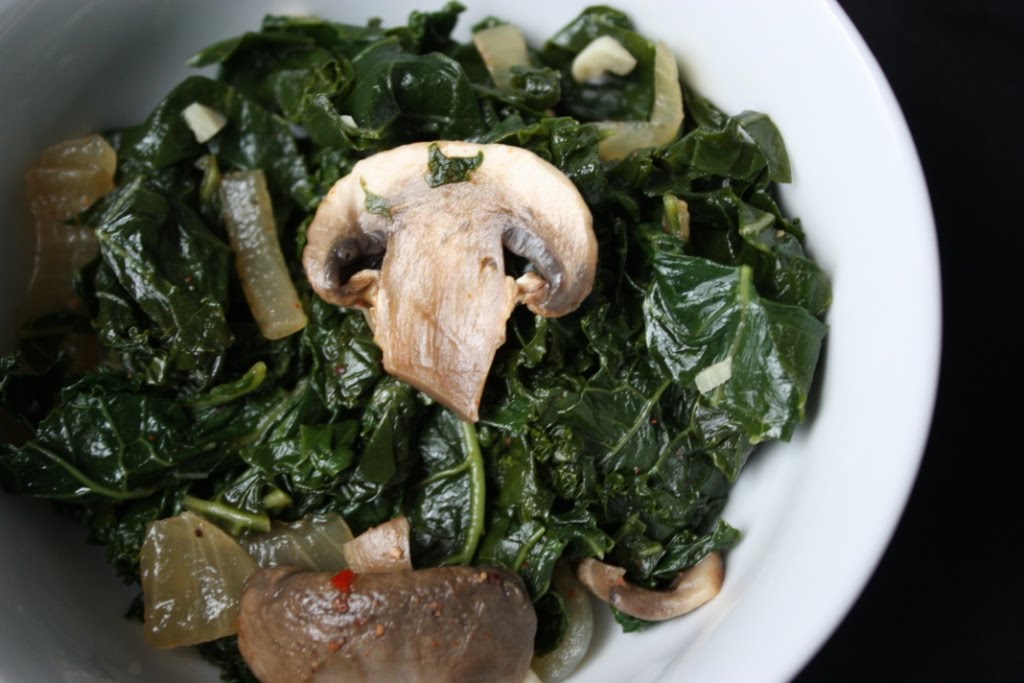
Smoky Sautéed Kale & Mushrooms

February 11, 2010

Before last night, I had never had kale. I know, I know. What kind of person-who-strives-to-eat-healthy am I? No kale?
It wasn’t because I’m against eating kale, or greens for that matter. I love spinach and romaine, but in the past darker leafy greens received nothing but a brief glance as I sought out the best looking produce at our market.
In fact, my only experience with greens has been with collard greens, and oddly enough, not even in the somewhat southern US where I’m living. (I say that because many people consider Kentucky the south, but when looking at a map I’ve never really considered Kentucky the true south of the US. I’ll save that for another post.)
Anyway, I actually had my first collards in Brazil, couve. They were finely sliced fresh and put into salads, eaten with the plentiful amounts of red meat so common there. When I was in the north of Brazil I had them prepared in a way similar to how they are eaten in the southern US.
My thoughts? Collards are okay. A little bitter for my taste whether fresh or cooked.
A couple weeks ago Michelle at Find Your Balance challenged her readers to try a new green. I didn’t meet the one week deadline, but I’ve had discovering new greens on my mind ever since. At the supermarket last week, it was settled, I had to give kale a try.
In just a cup of kale you’ll get a major dose of vitamins K, A and C. Not to mention the fact that you simply feel healthy eating it. Not scientific of course, but it’s like those vitamins go straight to blood perking you up a bit. You are what you eat, as it goes.
And you know what? Greens are pretty darn inexpensive especially when compared to other produce out and about this time of year. I have since learned that the season for kale is, well, right now – the middle of winter.
You’ll be hard pressed to find something easier to cook as well. I got a batch of great tasting kale finished in the amount of time it would take to go through a drive through. That includes cooking the salmon and quinoa I served it with.
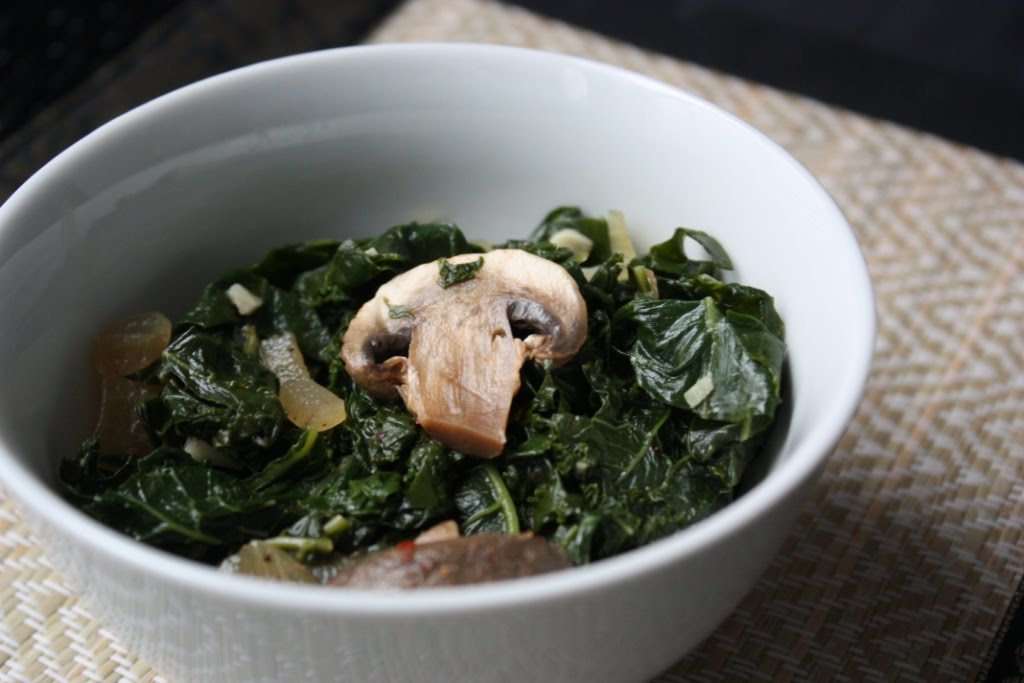
I found several recipes for kale online. Between the flavors and the cooking methods I pretty much meshed them all together. The two that gave me the most inspiration was this Sautéed Kale and this Sautéed Kale with Smoked Paprika. I threw in a few more spices and veggies and this is what I got.

Smoky Sautéed Kale & Mushrooms

1 tbsp olive oil
¼ of a large onion, sliced
2 cloves garlic, minced
Large bunch of kale, about 1 to 1 ½ lbs
½ cup chicken stock
5-6 white mushrooms, sliced
½ tsp salt
¼ tsp black pepper
¼ tsp crushed red pepper
¼ tsp nutmeg
¼ tsp crushed red pepper
In a large, deep skillet heat the olive oil over medium-high heat. Add the onion and garlic, cook about 1 to 2 minutes. Place the kale in the skillet and use tongs to turn and coat it with the oil. Pour in the chicken stock and place and cover with a lid. Cook for about 5 minutes.
Remove the lid and add the mushrooms. Continue to cook until the mushrooms shrink and darken and the remaining liquid has evaporated. Stir in the seasonings. Makes 3 to 4 small servings, 2 large.


Thanks to Michelle for the inspiration.

This post is being submitted to Side Dish Showdown at Cinnamon Spice & Everything Nice.
Side Dish Showdown Blogger Event

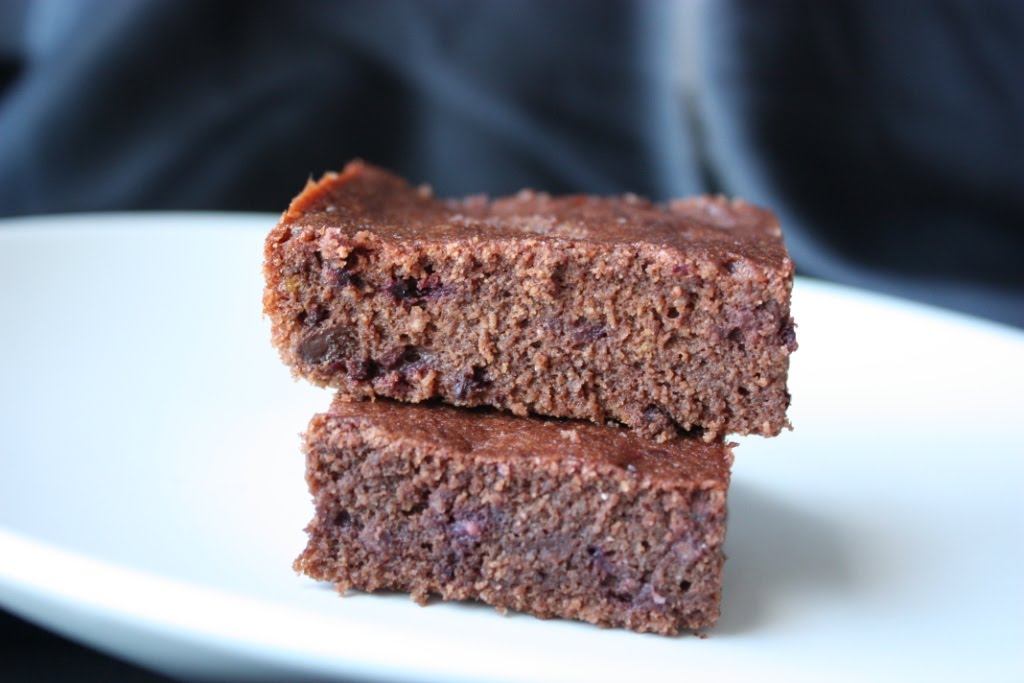
Blackberry Brownies

February 5, 2010

Chocolate.
What is it about this time of year that makes me crave chocolate? Oh yeah, Valentine’s Day. Well, that combined with the fact that it has been about a month and a half now since the holidays and I miss all those festive baked goods.
I think I mentioned before that I have a freezer full of berries from my Dad’s garden. The raspberries are great right out of the freezer as a snack, but the blackberries are a bit tart. They are more ideal for using in recipes.
So we have a chocolate craving and frozen blackberries that need to be used…
How about Blackberry Brownies? Yeah, I wasn’t sure how they would turn out either, but there are none left in the kitchen so something went right.
I used a simple recipe that caught my eye and modified it with what are becoming my new favorite ingredients – cane sugar, white whole wheat flour – you know, the good stuff. I’m also beginning to learn that most standard recipes for baked goods contain a lot of sugar that really isn’t necessary. You can cut back and they still taste just as good.
On that note, I cut the sugar from 1 cup down to 1/3 cup, and then I added some chocolate chips for to make the brownies a bit richer in chocolate flavor. The combination of that and the tart blackberries produced a winner. These brownies are tender, rich and one great Valentine’s Day dessert!
Blackberry Brownies
Adapted from Best Brownies at Allrecipes.com

½ cup unsalted butter, melted
1/3 cup cane sugar
2 eggs
1 tsp vanilla
1/3 cup unsweetened cocoa powder
½ cup whole white wheat flour
¼ tsp salt
¼ tsp baking powder
1 cup frozen blackberries, defrosted
1/3 cup chocolate chips
Preheat the oven to 350 degrees F and grease an 8 x 8 inch baking pan.
Whisk the sugar and melted butter in a bowl and gradually beat in the eggs. Add the vanilla, and then stir in the cocoa powder. Add the flour, salt and baking powder and mix just until all ingredients are well combined. Stir in the blackberries, followed by the chocolate chips.
Spread the batter evenly into the pan and bake the brownies for 25 to 30 minutes or until a toothpick inserted in the center comes out clean. Cool, cut and enjoy! Note: milk or coffee will only improve the experience.

Speaking of chocolate, A Life Less Sweet Reviews is giving away a great gift bag full of fair-trade chocolate and coffee. So if your chocolate craving is as bad as mine, head over and check it out!

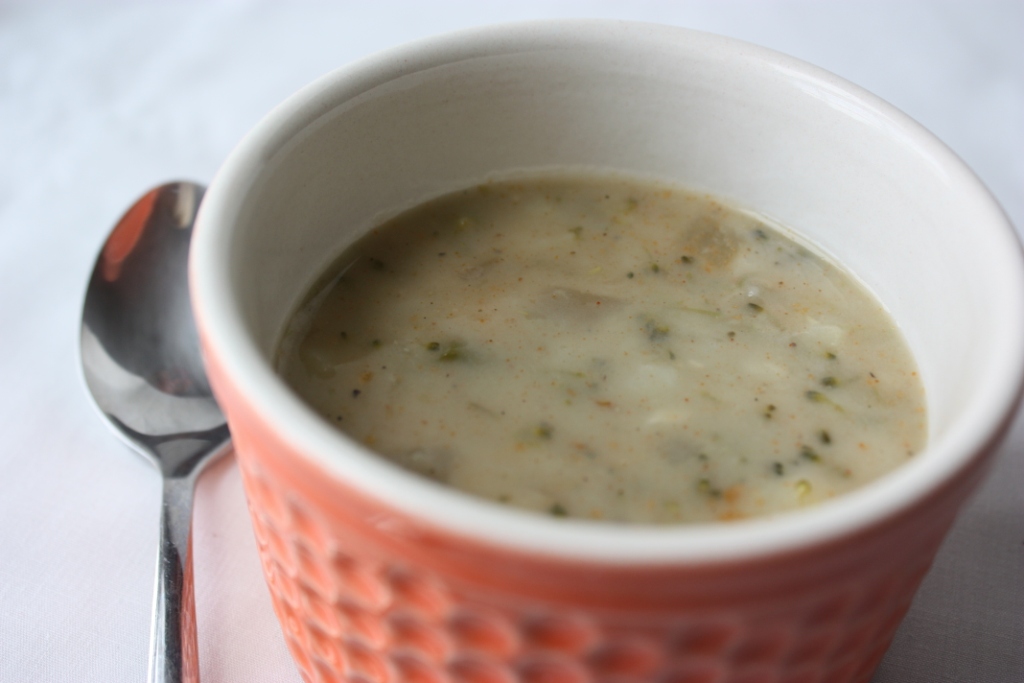
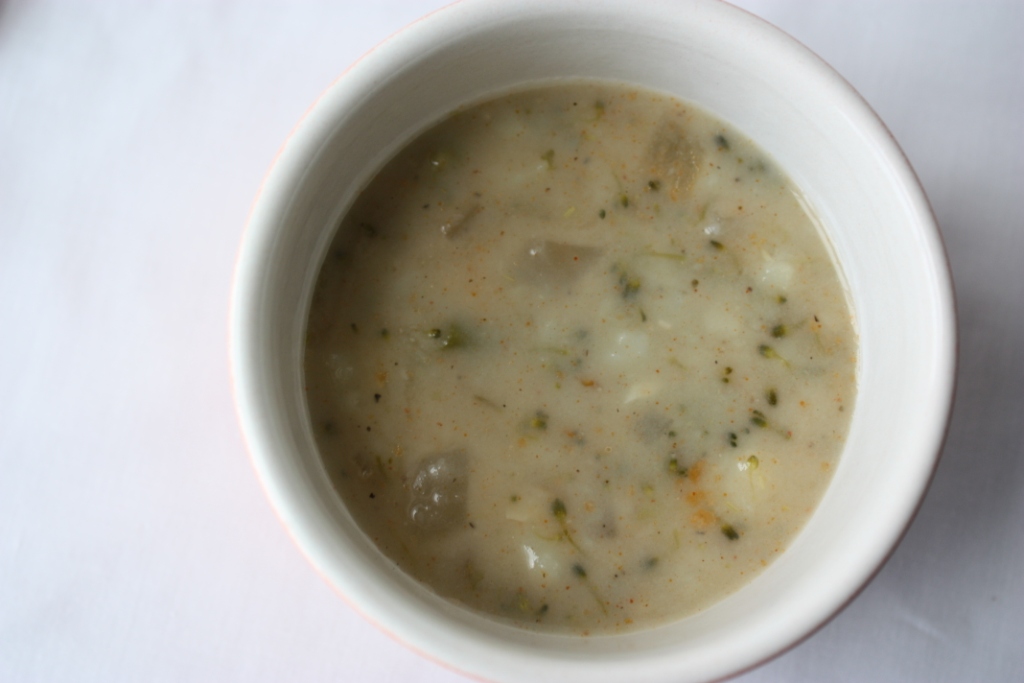
Quick Broccoli Potato Soup for Two

February 3, 2010

Potatoes have been on sale around here lately so I left the supermarket earlier this week hauling out a 10 lb. bag. Now I’ve given myself the challenge of figuring out what to do with them while maintaining their nutritional value as much as possible. I happen to be a big fan of potatoes and feel they have a lot to offer such as vitamin C, vitamin B6 and potassium. Not to mention they are filling and hearty on a cold day.
I pulled out a Weight Watchers cookbook my mother-in-law got for me several years ago, called Dining for Two. I used it a lot before I boxed it up during our move abroad. Now, although the pages are bit bent from storage the recipes remain so I decided to modify a potato soup I used to make a lot.
The soup has a delicious flavor and even with the changes I made it still remains a favorite. I didn’t have any bacon and the original recipe calls for two slices. I decided to add in some smoked paprika with the seasonings which really made up for any lack of smoky flavor. I’ve also always liked this Baked Potato and Broccoli Soup from Itzy’s Kitchen so I knew I couldn’t go wrong with adding in some leftover broccoli I had on hand.
The best part about this soup is that if you have your broccoli and potatoes previously cooked in the form of leftovers, it is so quick to make. Even without baked potatoes ready I still got it done quickly. I stuck mine in the microwave, let them cool a bit and they were ready to chop up for the soup.
Quick Broccoli Potato Soup for Two

1 tbsp olive oil
¼ cup onion, chopped
3 cloves garlic, minced
½ tsp salt
¼ tsp black pepper
¼ tsp crushed red pepper
1/2 tsp smoked paprika
2 cups chicken stock (homemade if you have it)
2 large baked potatoes, chopped
1 cup cooked broccoli, chopped
1/3 cup milk (I used 2%, half & half would work too)

In a medium-sized pot, heat the olive oil then add onion and garlic. Cook until the onions are almost translucent, about 3 minutes on medium to medium-high heat. Stir in salt, peppers and paprika. Add chicken stock and heat for about 3 minutes. Stir in potatoes gently breaking some of them up in the process. Add broccoli and continue to cook until soup is heated through. Stir in milk, continue to heat through about 3 to 5 more minutes. Serves 2.

This post has been submitted to Souper Sundays at Kahakai Kitchen.

SouperSundays

Tasting Antigua

January 4, 2010

I wrote this post back in 2010, but we have since returned to beautiful Antigua! We hired Roger, the tour guide mentioned in this post, once again and had another great trip exploring this stunning island!

IMG_5415

“What would you like for lunch?,” our guide asked.

“Something local,” my husband and I said in unison.
 
I think our guide was a little surprised. There are a lot of food choices available on the island of Antigua, especially considering its rather European history. I had, however, read up on some of local, native foods of island before our trip and had been looking forward to trying them for months.
 
For the past several years we’ve taken a vacation in the Caribbean the week before Christmas. This year we made our first visit to the island of Antigua. We stay at Sandals resort, which we love, but as we’ve traveled more and more we find it important to get off the comfy resort and learn more about the places we are visiting. That, of course, also means having some local food.
 
This year we hired a private driver, a local named Roger. He took us out driving for the day and taught us so much about the history of his island. Probably due to the focus of my questions a large portion of what we learned was focused on food. For starters, he showed just about every fruit plant that grows in the area. I tried to make a list of the things we saw, but I’m sure I missed a few.

 

Sorrel, breadfruit, pomelo, lemon, lime, cacao, guava, passion fruit, pomegranate, custard apple, pineapple, banana, soursop, mango, avocado, ackee, papaya, tamarind and coconut.
That’s a lot of tropical fruit for one small island! In fact, Roger told us that many fruits such as the lemon and mango simply go to waste because they aren’t used in a lot of local cooking.
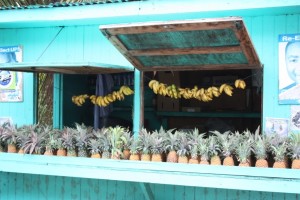


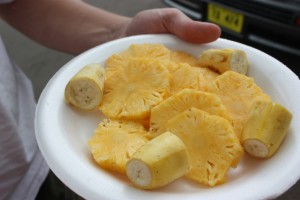
Midday we passed a few roadside stands selling fresh fruit, the highlight being the Antiguan Black Pineapple. Roger assured us that it would be the sweetest we’ve ever tried. I was skeptical considering all the delicious pineapples we were able to try in Brazil, but Roger was spot on. The flavor rivaled those of South America.
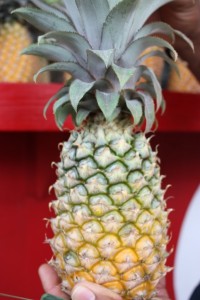
 

As you can see the pineapple isn’t black at all. It is small in size with a dark, golden skin when ripe. The owner of the stand we stopped at prides herself on only selling the Antiguan Black Pineapple. We got a plate of the pineapple and some finger bananas (as they were being called). The bananas were much like the banana maça we used to get in Brazil, but I’m not sure that they are the exact same variety. What a plate of nature’s goodness!

Roger came across as a natural, unprocessed food advocate and we had a lot of interesting, informative conversations throughout the day. He told us that because Antigua is so small many foods are imported. That also means that many food trends come along with it. For example, he said when he was growing up they made their own sea salt harvesting it from the water around them. Then all of a sudden they started receiving shipments of table salt and it began showing up in stores.

They began eating that type of salt being told that it was better, likely because of the iodine. Of course, today the focus is back on sea salt because of its beneficial mineral content. So what they had done as kids turned out to be the best practice.

I think we can all relate to that. Food trends whether for health or taste always seem to upset cultures and often healthy practices whether it be a large landmass or a small island.

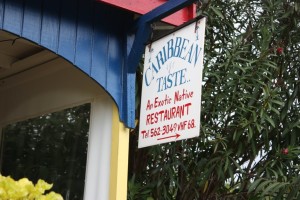
For lunch we ended up at a small restaurant called Caribbean Taste. The best way to describe it was a home-slash-restaurant. Family and friends came in and out while we ate and groups of women sat in the main area of the building eating and preparing more food for cooking.
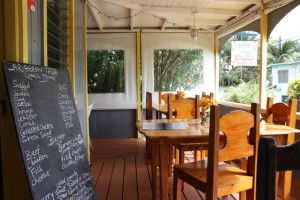


I was hoping to get to try the sorrel drink which is made around the holiday season, but they had not made it that particular day. Instead, we got some homemade ginger drink. This stuff was amazing. I’ve had ginger beer before which is carbonated, but this was like lemonade, but made with ginger instead. It was sweet with that spicy burn specific to fresh ginger root.



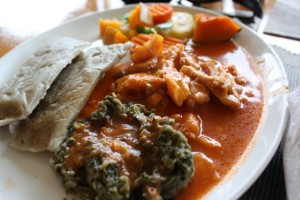
When I found out there was only one order of Ducana left for the day I quickly decided what I wanted. I had read about it prior to our trip and Roger explained it to us on the tour as well. Made of sweet potato, flour, sugar, coconut and spices it is a dumpling steamed in a banana leaf. Mine was served with salted cod in a red sauce and chop-up which is a mixture of veggies most prominently spinach. A delicious sweet and savory combination.
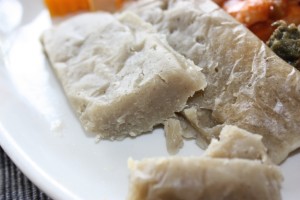


My husband tried the curried goat. Okay, I did try it. Since I had pet goats growing up and my parents still raise them I have a really hard time enjoying goat as a meal. However, I do understand the fact that it is a common protein source for many cultures. So in the spirit of being open to foods and culture I tried a bite.
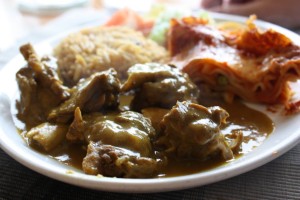
I can’t say I loved it and that had nothing to do with the fact that it was goat. It reminded me of a roast like my mom used to make when I was growing up. Kind of fatty, but with tender yet slightly chewy meat. The flavor of the sauce was great, but I didn’t enjoy the meat, however, I think my husband would order it again for sure.

Along with the great food out on the island, the food at the resort wasn’t too shabby either. I will say we were disappointed that more local foods didn’t make the menu. We talked to Roger about this and he expressed that he wished the people of Antigua would demand that local foods be used on the menu. I’m speaking of local dishes/recipes here, not necessarily local ingredients. Apparently in Jamaica it is a priority so although you may not have something truly authentic it is likely you will find a version of escovitch fish, jerk chicken and ackee and salt fish even on the menus of all-inclusive resorts.

The one exception was the Caribbean rock lobster for which Barbuda (part of the same country as Antigua) is known. We had grilled lobster many times during our visit. I also had a bit of fungi for breakfast one morning which is a cornmeal similar to polenta. This version was formed into patties or cakes and served with okra.

 
Sushi with spicy crab
 
 
Fried Calamari
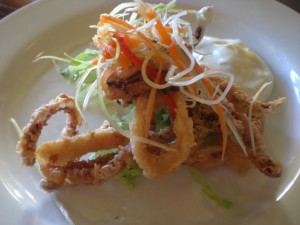


Seafood Chowder
 
 
Curry Lamb
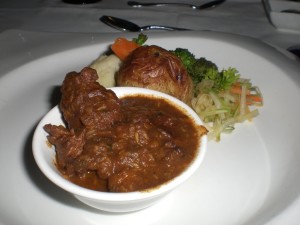


Paradise Punch from the swim-up bar



Pumpkin Cheesecake



Deconstructed Tiramisu



I love foods of the Caribbean and Antiguan cuisine was no exception. If you find yourself there, head out and explore the island and eat some fantastic food while you’re at it!


Need a guide when you are there?
Our day with Roger was fantastic!
Roger’s Taxi & Tours
(268) 764 -6331
rogertaxitours (at) gmail (dot) com

Sweet Potato Flax Muffins

December 8, 2009

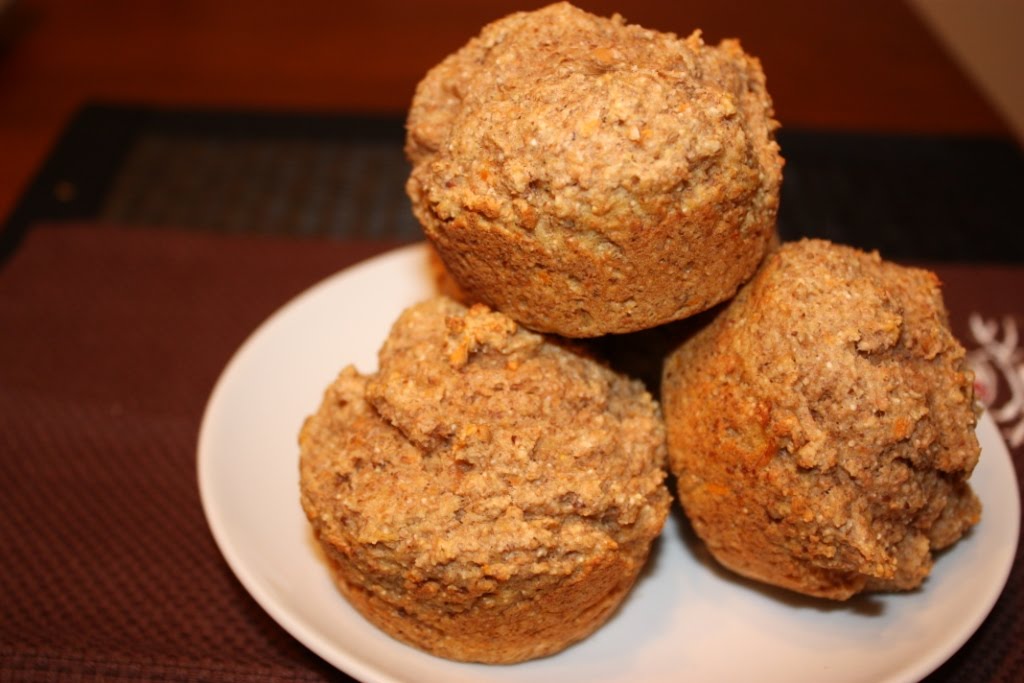
These muffins were inspired by Off Her Cork. I read Andrea’s Thanksgiving Day recap and the idea of putting bananas in sweet potato casserole to sweeten it caught my attention right away. I had wanted to make some muffins with some hearty, healthy ingredients that were also relatively low in added sugar and this gave me a great idea to work with.
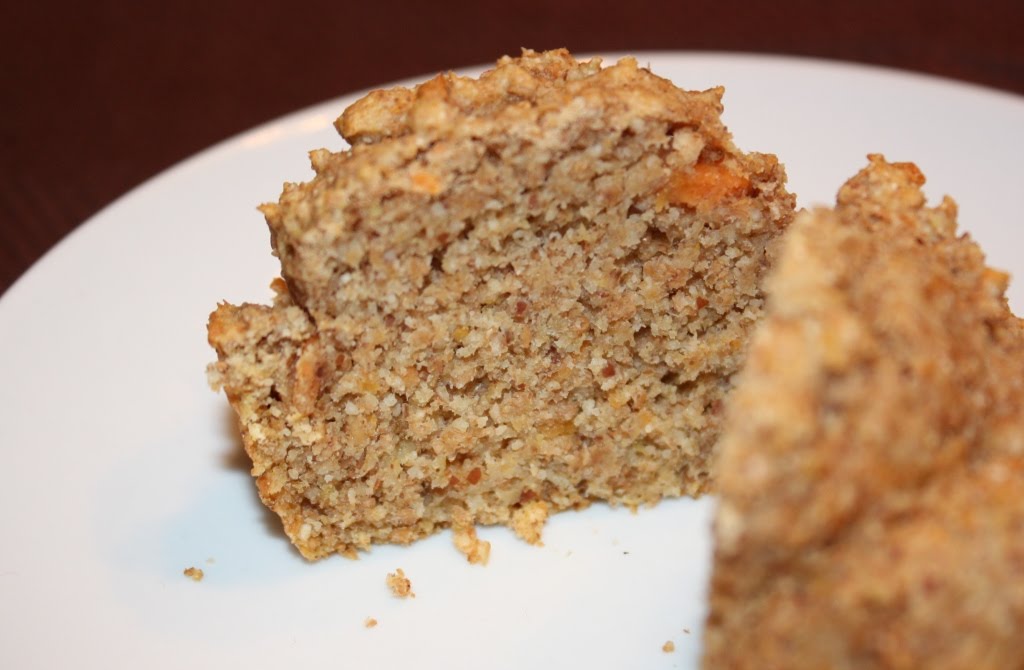
These muffins are made with the flesh of a mashed sweet potato, banana and maple syrup for sweetness, and flax and whole wheat flour for an extra nutritional boost. They are slightly sweet with a hearty texture. The banana comes through and the sweet potato adds a special richness.
Sweet Potato Flax Muffins

2 cups whole wheat flour
¼ cup ground flaxseed meal
4 tsp baking powder
½ tsp salt
1 egg, beaten
¼ cup maple syrup
¼ cup butter, softened
1 ripe banana, mashed
1 sweet potato, flesh only, mashed
½ cup milk
Preheat the oven to 375 degrees F and lightly grease a 12 muffin pan. In a large bowl mix together the flour, flaxseed, baking powder and salt. In a separate bowl mix together the egg, maple syrup and butter. Combine well and add in the mashed banana, sweet potato and milk. Slowly incorporate the dry ingredients mixing gently just until they are incorporated into the batter. Divide the batter evenly into each muffin tin. Bake 15 to 18 minutes.

Apple, Carrot and Pear Crisp

September 2, 2009

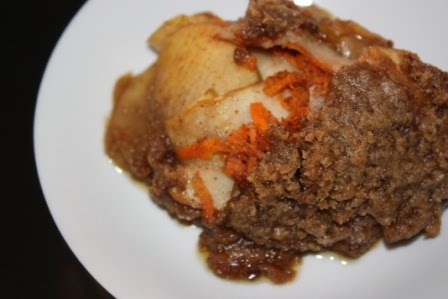
Some vegetables go surprisingly well with desserts. Of course, this isn’t anything new with all the zucchini breads and carrot cakes out there. So when I wanted to put together an apple crisp and had an extra couple carrots hanging out in the fridge, I thought, why not?
I’ve been trying to decide if adding veggies to desserts makes me feel better about eating them. Actually, I don’t think it does, but I am in agreement that an extra serving of vegetables here or there, whether sweet or not, can’t hurt.
Aside from their beautiful orange color, carrots are of course known for their vitamin A content which has long been associated with healthy vision. In addition, the antioxidant activity of the carotenoids protects the heart and may reduce the risk of cancer.
I always remember a conversation I had once with my grandma. She developed macular degeneration which caused her to lose much of her vision late in her life. When discussing dinner once, carrots came up. She said, “Oh yes, carrots are great for your eyes. I’ve eaten them all my life!” And then she burst out with laughter at her own joke. Ah, as Grandparent’s Day approaches I’m reminded of how much I miss her.
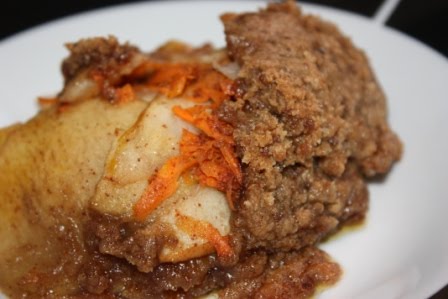
The carrots turned out to be a great addition to the crumble. I sautéed them in a little butter to soften them just a bit and added cinnamon to flavor them even more. They added a slightly crunchy texture and a mildly sweet flavor that complimented the apples and pears well.
I used mascavo sugar (unrefined cane sugar) for this dessert; however, I did use a table spoon of white flour for thickening. Anyone have any suggestions for a thickening agent that isn’t refined? The whole wheat flour I use isn’t so great at thickening, but perhaps something else would work.

Apple, Carrot and Pear Crisp


1 tsp. butter
¾ cup carrot, shredded
2 tsp. cinnamon, divided
2 pears, sliced
2 apples, sliced
½ cup mascavo sugar
1 tbsp. flour
Topping:
½ cup oats
¾ cup mascavo sugar
¾ cup whole wheat flour
¼ cup walnuts, chopped
¼ tsp baking soda
½ cup butter
Heat the butter in a skillet and add the shredded carrot. Stir in 1 tsp. of cinnamon and cook the carrots for about five minutes. Set aside.
Preheat the oven to 375 degrees F. In a large bowl, combine the pears, apples, sugar, flour and the remaining 1 tsp. of cinnamon. Mix well to coat the fruit. Into a greased baking dish, layer the apples and pears with the carrots, filling the dish.
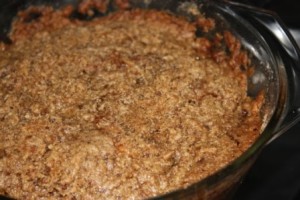
In a smaller bowl mix the topping ingredients except for the butter. Cut the butter into the mixture and combine with a with a fork or pastry blender until the butter is evenly distributed. Sprinkle the topping over the fruit and bake for 45 to 60 minutes, or until crisp on top and bubbly.

Local Pineapple & Morning Glory Bread

August 11, 2009

It’s been such an exciting experience to have foods I once considered exotic or tropical become local and in-season. I mean, five years ago I never would have imagined that I’d be living in a place where I could get pineapples at my local Farmer’s Market (Feira), but that is exactly where I’m at and what I do.

Pineapples are popping up at the market and disappearing as fast as they are set on the table. I was waiting for my husband to meet me after work the other night. I ended up standing around for about a half an hour and during that time I watched a 10 foot table covered in pineapples stacked three and four high dwindle down to about 15 individual pineapples.

When we finally decided to get some for ourselves the farmer was getting ready to close up shop. We picked out two we liked and he threw an extra in because he didn’t want to take any back home. We ended up with three pineapples for R$5 which is just a little over 2.50 USD. We even got this special one – a double topper!

So I’ve been using up pineapple quite a bit over the last week and most of it has gone into juices. However, with one remaining in the fridge, I felt the urge to bake something with it. As I was doing some magazine reading over the weekend I came across a recipe for Morning Glory Muffin Bread from Southern Living. We used to make Morning Glory muffins at the bakery I worked in, but it’s been years since I’ve had it. Considering the fact that I don’t have muffin tins here and the recipe was for bread, it was settled.

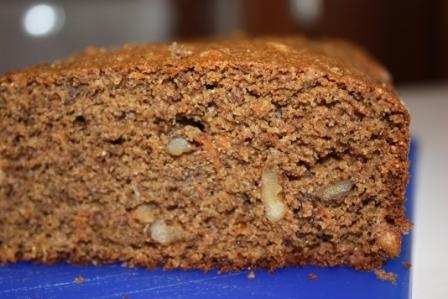
I altered the recipe using extra virgin olive oil, walnuts, pumpkin pie spice, whole wheat flour and mascavo sugar. Then, of course, I used diced fresh pineapple instead of canned crushed. It turned out great and I just love the way the bread is slightly savory, but then you bite into a flavorful pocket of sweet pineapple, a raisin or tender carrot. It is a great energy-dense, nutrient-rich breakfast bread!

Morning Glory Bread
Adapted from Morning Glory Muffin Bread from Southern Living Magazine March 09

½ cup chopped walnuts, toasted for five minutes and cooled
1 ½ cups whole wheat flour
½ tsp salt
½ tsp baking soda
½ tsp ground cinnamon
½ tsp pumpkin pie spice
1 cup mascavo sugar
1/3 cup extra virgin olive oil
2 eggs
1 tsp vanilla
½ cup fresh pineapple, diced
½ cup carrot, shredded
½ cup golden raisins

Preheat oven to 350 F and grease and flour a large loaf pan of about 8 x 4 inches (mine is a little larger). In a large bowl combine the flour, salt, baking soda, ground cinnamon and pumpkin pie spice. In a medium size bowl whisk together the sugar, olive oil, eggs and vanilla until combined. Stir in the carrot and pineapple. Pour the sugar mixture into the dry ingredients and stir just until the dry ingredients are moistened. Incorporate the walnuts and raisins.

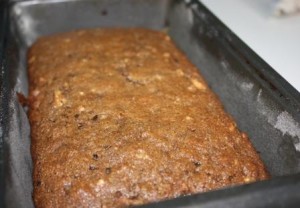
Transfer to your prepared loaf pan and bake for about 45 to 60 minutes or until a toothpick inserted in the center comes out clean. Cool for 15 minutes, de-pan and allow to cool completely. Makes about 12 servings depending on the size of your slices.

Because I kind of like corn…

August 7, 2009

Corn has a pretty bad reputation if you think about it. All those bright green stalks that symbolize summers of my childhood; those crisp, sweet kernels from a just-picked ear. Their beauty has been tarnished because of all the not-so-great things that corn is turned into. You know the syrups and starches, the vast overabundance of it in the food supply, not to mention it being on the don’t-eat list for those once popular low-carb diets. Oh, poor corn.

The truth is when it comes to fresh corn and more natural things made of corn, I like the stuff. Corn is very popular where we are in the Brazil. When we have visited the coast, you can find people selling it on the beach, there are restaurants in town completely devoted to items made of corn, it is a common pizza topping and then there’s fubá.

It took me a while to figure out the exact origin or makeup of fubá . By the way it is pronounced fu-BAH, with a big emphasis on the BAH. Most sources equate it to cornmeal in the U.S.; however it is a very fine cornmeal. It is used as a flour here and can be found in the form of cakes (bolo de fubá), cookies (biscoitos de fubá) and, according to a recipe on the package, even soufflé.

I wanted to try making some things with fubá so over the past couple weeks I gave the cake and the cookies a try. I also should mention that I didn’t do any playing around with different (i.e., less processed) ingredients because I really want to try the original first.

The cake was once given to us as a gift and I’ve had it at parties, so I was able to compare what I ended up with. I baked it in a loaf pan instead of a Bundt or sheet cake pan and I really liked it like this. I could enjoy it as more of a bread. It is similar to a sweet cornbread, although not as course and the butter makes it incredibly rich. It is one of those cakes that can very tempting for breakfast with some coffee.

Bolo de Fubá

200 grams butter, softened
1 cup sugar
2 eggs
1 cup fubá
½ cup all purpose white flour
½ cup milk
1 tsp baking powder
2-3 Tbsp finely ground, unsweetened coconut

Preheat oven to 350 degrees F. Grease and flour a standard Bundt pan, large loaf pan or square cake pan. Cream together the butter and sugar. Beat in the eggs and mix well. Add the fubá, flour, milk and baking powder, mix well. Stir in coconut.
Pour batter into prepared pan and bake for 30 to 40 minutes until golden brown and baked through. Let cool and de-pan.
Cookies made with fubá have quickly become one of my favorites here. The first time I had one we took a chance at a bakery and ordered it by looks alone before I knew of the flour and I was intrigued. It is a slightly sweet cookie, and rather dry, but this is actually a good quality that makes it unique. This cookie stands out because it contains erva doce which is anise, so it has that very slight liquorice flavor. I’m not a huge fan of anise, but I find I enjoy it when it is subtle as with these cookies or pitzels.

When searching for recipes on the web, I found a ton, all with something a little different. So I decided to take the easy route and go with the simplest one. They are not exactly like the ones we’ve had at the bakery regarding texture, as shown in the picture above, but the flavor was just as tasty.

Biscoitos de Fubá
Adapted from Tudo Gostoso

1 ½ cups Fubá
½ cup all-purpose flour
½ cup sugar
2 egg yolks
½ Tbsp anise seeds
½ cup butter, melted
¼ cup milk

Preheat the oven to 350 F. Stir the fubá, flour, sugar and anise seeds in a mixing bowl. Add the egg yolks and butter and mix well until the dough is dry and crumbly. Add enough milk to make the dough stick together so that you can form a ball. This was about ¼ cup for me.

Roll the dough into balls about the size of a golf ball. Place them on an ungreased cookie sheet, 12 per standard sheet pan. The original recipe includes the step of rolling them in cornmeal first, but I didn’t do this. Flatten the cookies by hand or with a glass. Bake for 10 to 12 minutes until the sides and bottoms are lightly browned. Remove from cookie sheet and cool on a wire rack. Makes about 18 cookies.

So I’m wondering – have any of you who frequent ethnic/cultural markets come across something similar to Fubá? I’m interested if I can find a similar product when I’m back in the U.S.

Also, for a great variation of Bolo de Fubá check out 5 Star Foodie (winner of the Mango Challenge and box of Brazil goodies ).

Want to create beautiful food and product photos that you can't wait to share?!
Discover your style, control the light, and shoot using the tool you know how to use (yes, your phone included). Learn about free resources, Live Q&As with Lori, and online courses you can take from anywhere in the world!
We respect your privacy. Unsubscribe at any time.